Access control is among the most essential components of facility security. However, in industrial properties, such as warehouses, truck yards, manufacturing plants, automotive lots, logistics companies, and similar, conventional access control solutions may often prove insufficient.
A locked entrance gate, key card, fob, guard station, or video surveillance equipment can certainly help with controlling access to the property; yet, even with these measures, there might be significant gaps. While they will provide information that somebody entered the facility, they may not necessarily tell who exactly this was, why, what kind of vehicle or trailer did he/she bring inside, whether all the required documents were collected, or what went on once they got inside.
In today’s industrial facilities, access control goes well beyond merely managing entry and exit through gates. It involves authentication of people, vehicles, trailers, loads, vendors, and activities in real-time.
This is where Birdseye Security steps in to help facilities transcend traditional access control. Using GateCORE, SafeCORE, YardCORE, and the Facility Supervisor Portal, Birdseye integrates AI-based monitoring, human authentication, remote live intervention, gate automation, yard supervision, perimeter protection, and structured reports into one integrated facility supervision solution.
Why Traditional Access Control Systems Fall Short
Conventional access control systems were typically suited to less complicated environments, and they function fine if the only consideration was whether to permit a worker access to enter the premises.
However, industrial settings are much more complicated.
For instance, the warehouse might require access from the workers, drivers, vendors, contractors, inspectors, visitors, maintenance staff, and third-party carriers during the day. The truck yard might require validation of the driver, trailer, license plate number, seals, bills of lading, and access permits. The factory might require control of the employee area, vendor access, loading area, storage yards, and restricted areas within the factory.
These are no longer simply issues of security of doors. These are operational controls issues.
If the access control system is unable to validate the individual coming in, his load, his reason for entry, and how the activity was logged, then there is still exposure.
Problem 1: Manual Guard-Based Access Is Expensive and Inconsistent
Many sites use guards to perform ID verification, visitor approval, gate opening, documenting vehicles, and monitoring access points. They can play a key part in the process, however, having guards only has limitations.
First of all, a guard cannot control cameras, check drivers, manage gate events, walk around the site, answer calls, document trailers, and deal with incidents all at once. Also, it will differ from shift to shift. Documentation will not always be complete, and procedures will depend on the person who works there.
The second thing is the cost. Sites that require 24/7 access control might find that hiring guards becomes quite pricey without really increasing visibility throughout the whole site.
Birdseye makes it easy with remote supervision and remote agents that use AI. Rather than using on-site personnel only, Birdseye can help with event verification, access control workflows, monitoring of activities, and documentation of everything that goes on at the facility in real time.
In other words, it helps to get consistency without increasing manual work.
Problem 2: Keys, Cards, and Fobs Do Not Prove Identity
Access control solutions such as keys, swipe cards and fobs may be used. These solutions are suitable for use by employees, but they suffer from one serious drawback – they do not recognize the user but the credential itself.
A card may be shared among several persons. Fobs are subject to being lost. Keys are easy to copy. In case of such events, the access system will still see the access request as legitimate.
Such an issue causes problems in industrial facilities, where access decisions may involve operational risks.
For example, what happened if the truck yard was accessed by somebody using borrowed credentials? How reliable would be the information about who entered in case of accessing it by contractors using someone else’s credentials? Will you be able to prove who was on site in case of driver access without any physical verification of their identity?
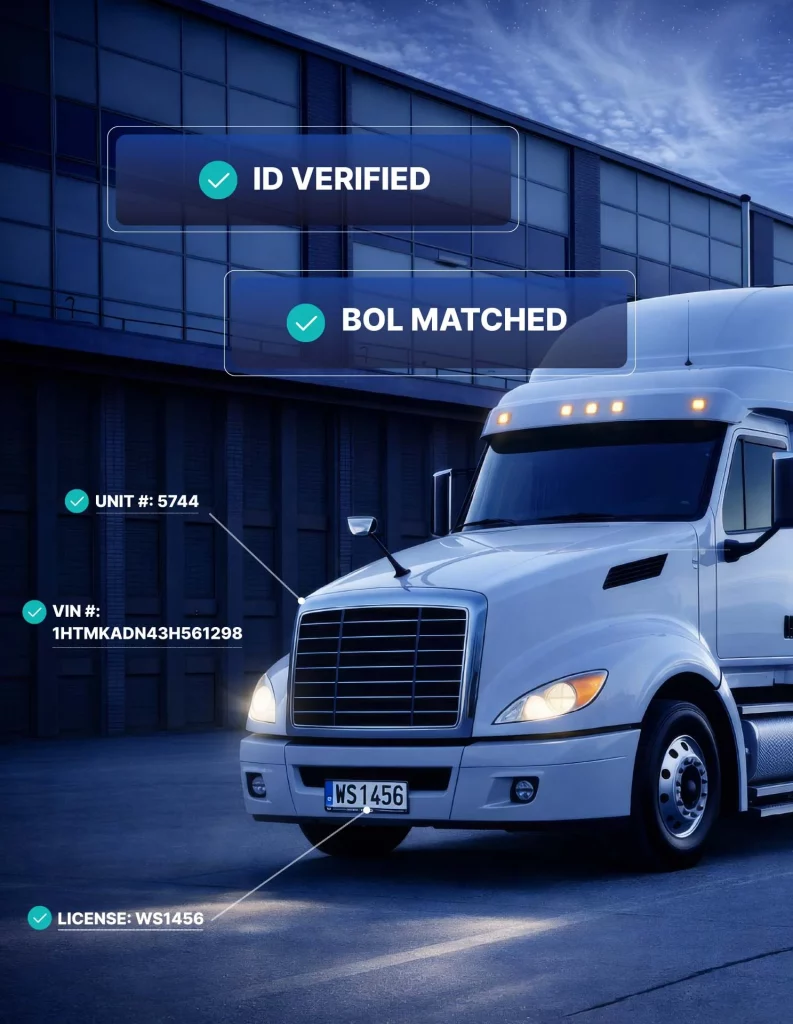
Birdseye GateCORE solution is designed to provide access accountability. This solution includes driver verification, vehicles and trailers identification, license plate recognition, access workflows, BOL capturing, seal check, and gate transactions.
The idea here is to verify and record access request.
Problem 3: Cameras Record Access, But They Do Not Manage It
The majority of facilities already have cameras focused on gates, doors, yards, and perimeter lines. That is a good practice; however, cameras alone cannot bring actual access control.
One could see a vehicle passing a security point on video. One can see a person going through a gate. One can spot an activity happening near the fence line. Yet, if there will be no human eyes that will verify the event and correlate it with the actual data record – such camera might work only to prove the event after it happens.
The key difference between passive filming and active facility supervision.
The Birdseye technology involves AI-based detection and human verification. The AI system helps identify the event faster while human verification takes place in a broader context, following certain guidelines.
And that is important as industrial facilities are full of exceptions. For example, a truck might appear too early. There could be a vendor who needs approval for entry. The driver might not match the actual registration information. There could be a need to check the seal of the truck. And a person in the restricted zone might be authorized or unauthorized.
Problem 4: Access Control Often Stops at the Gate
It is a misconception to believe that access control only needs to take place on entry.
In an industrial complex, there are dangers that can happen once individuals have gotten past the entry point of the building.
The individual driving a truck can drive to the wrong location. The trailer can park in the wrong area. The supplier could visit a restricted area. The vehicle can travel through the yard where visibility is poor. An incident may happen far from the gate house.
This is why it is necessary for Birdseye to integrate GateCORE with YardCORE and SafeCORE.
GateCORE enables one to control and track entrances and exits. YardCORE assists in supervising yard operations after vehicles have entered the complex. SafeCORE helps in securing fences, perimeter, restricted zones, and other vulnerable areas.
GateCORE: Smarter Access Control for Industrial Gates
GateCORE is the answer to gate automation and access control from Birdseye. GateCORE is designed for logistics yards, warehouses, distribution centers, manufacturing facilities, automotive yards, and industrial facilities where gate operations have an impact on both security and efficiency.
By using GateCORE, companies can ensure that drivers, trucks, trailers, access permissions, Bills of Lading, seal numbers, and gate operations are verified through a more systematic approach.
This will help overcome some of the drawbacks associated with traditional access control systems. Instead of having only the guard’s log book, swiping the card or video recordings of gates, GateCORE assists in creating a verification trail for the gate activity.
This way, facilities will benefit from increased control, improved gate operations, better documentation, and minimized blind spots.
SafeCORE: Protecting the Areas Access Control Misses
While conventional access control can protect the gate or door, many vulnerabilities occur within the perimeter itself.
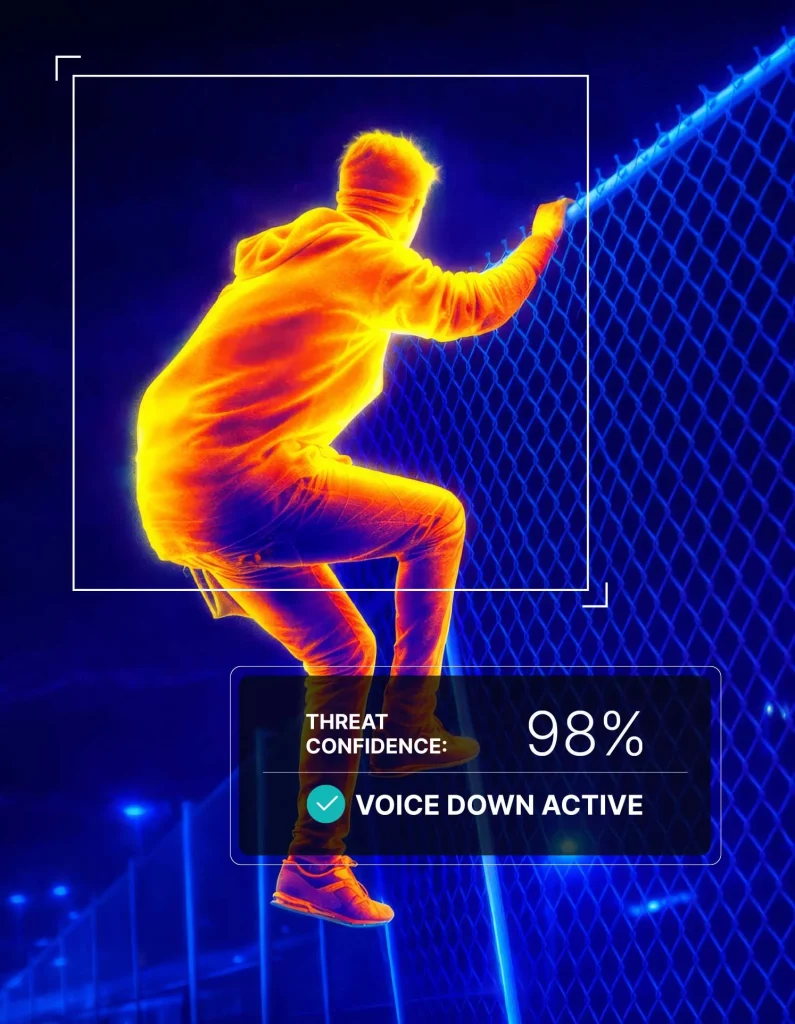
Perimeter fencing, open-air storage, trailer sites, employee parking lots, equipment yards, and restricted access areas all pose risks. In the case of someone getting past the gate or entering off-hours, the card access system at the gate is powerless to prevent an occurrence.
SafeCORE provides a means of safeguarding these assets through perimeter monitoring by artificial intelligence, human authentication, voice-down capabilities, escalation, and reporting of incidents.
Thus, it provides an additional security measure outside the main entry point. Rather than being reactive and finding out about an incident later on, the Birdseye system allows for detection in real-time.
YardCORE: Visibility After Access Is Granted
Even when they are on site, your team still requires visibility.
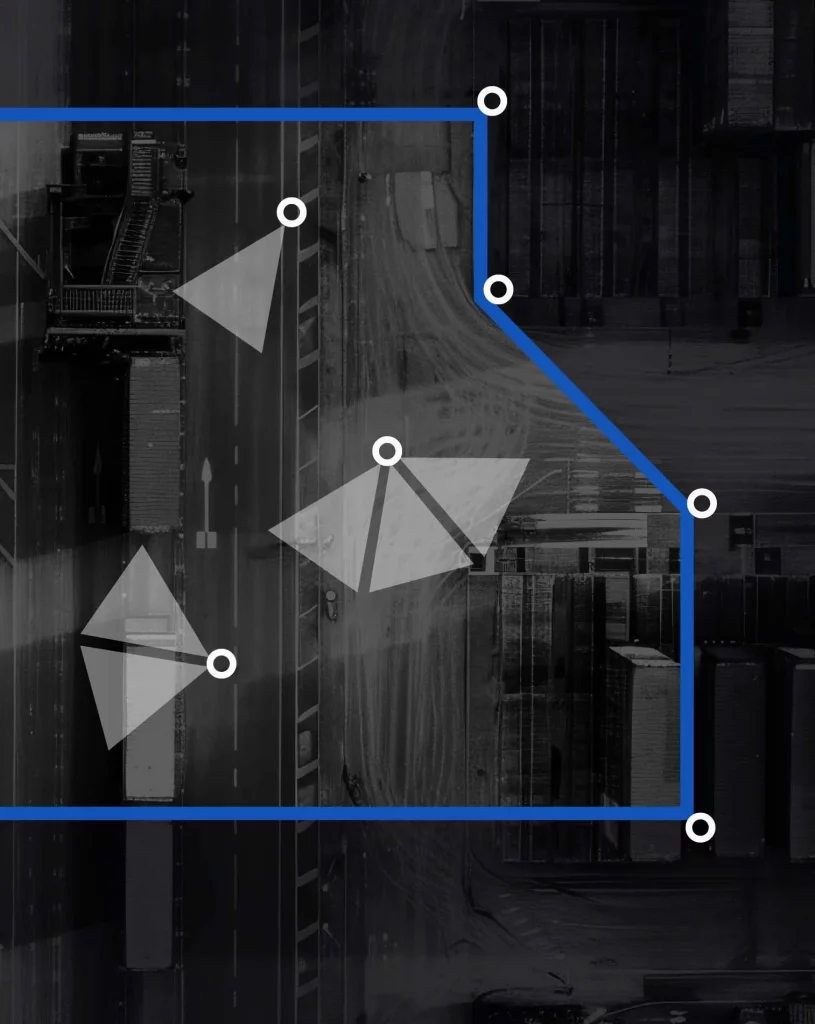
YardCORE provides assistance in monitoring movement, carrying out safety protocols, reporting incidents, and increasing awareness in large outdoor spaces. This is very important in cases where there are trucks, trailers, docks, equipment, outdoor storage, and many vehicles.
Access control will tell you who has come into your facility. YardCORE gives you insights into what transpired after that.
This makes the whole facility management much easier.
The Birdseye Portal: Bringing Everything Together
Among the most significant shortcomings of conventional access control is that the information becomes dispersed.
There can be gate logs in one place. There could be camera footage at another place. There can be incident reports sent through emails. Approvals from vendors can be made via telephone conversations. Yards can be controlled manually.
The Facility Supervisor Portal of Birdseye brings all these activities into one place.
Through this Portal, there would be enhanced visibility at gates, yards, perimeters, access events, incident reports, and other operations. Instead of looking at disconnected systems, the managers would be able to see events that relate to their actual operations in the facilities.
This is when Birdseye steps up its game from access control to something more.
How to Solve Traditional Access Control Problems
The answer isn’t putting in additional cameras, security personnel, or key card access devices. It’s designing an access control system that validates behavior in real time and that links access information to the entire process.
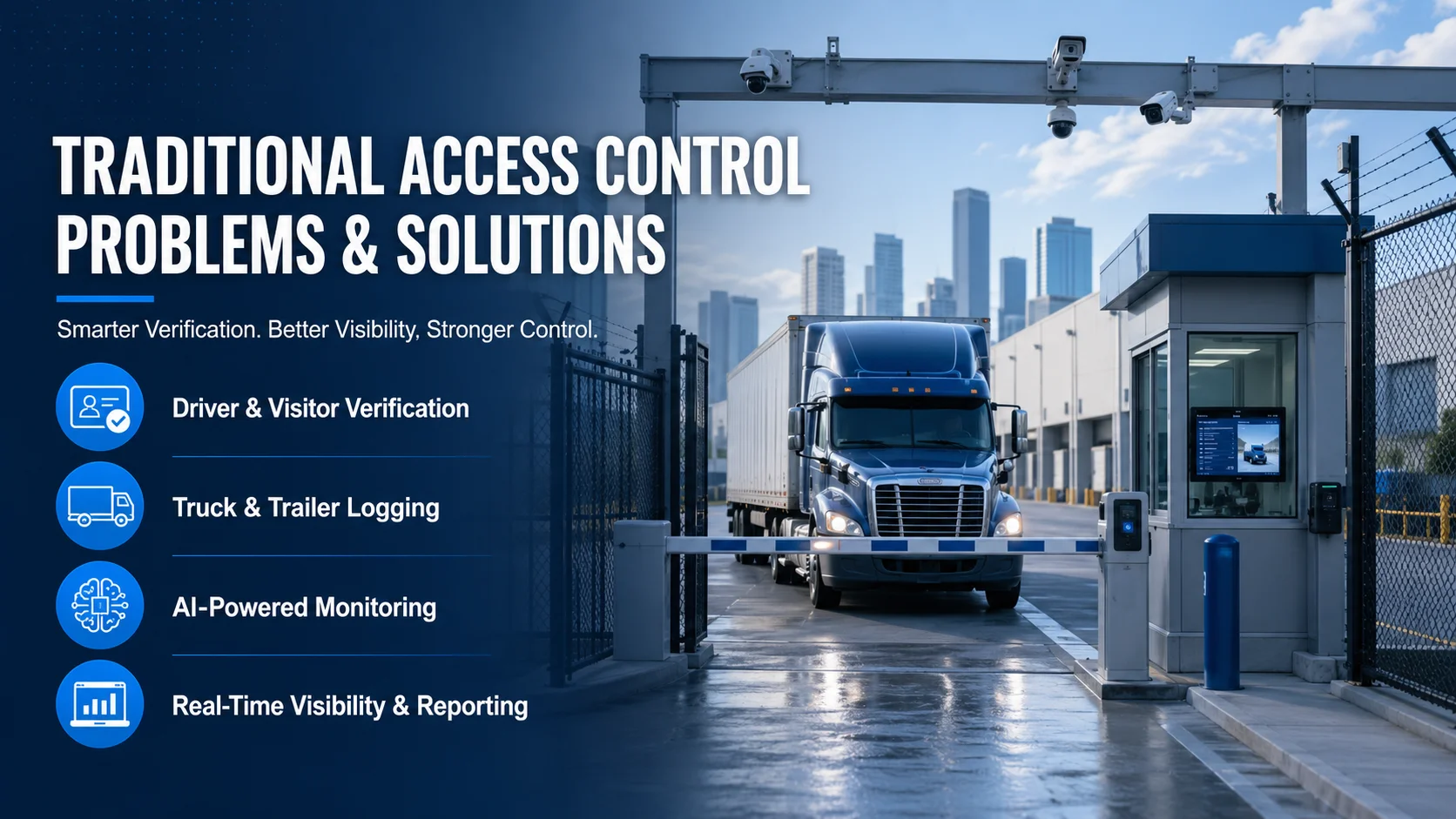
For industrial operations, it’s using a system that:
- Verifies who enters and leaves the property
- Records vehicle and trailer and shipping information
- Supports the needs of drivers and vendors
- Monitors gate and yard and perimeter activity
- Responds in real time if there are any problems
- Generates auditable records
- Provides managers with visibility into the whole site
It’s what Birdseye is designed to do.
Move Beyond Traditional Access Control
While there are traditional access control methods available to manage entry, they might not work well in modern industries.
Locks, keycards, fobs, security personnel, and surveillance cameras might allow for access control, but they do not necessarily offer real-time authentication and documentation.
Birdseye solves this problem for you.
Through the use of GateCORE, SafeCORE, YardCORE, and Facility Supervisor Portal, Birdseye gives an industry a much more intelligent solution to access control, surveillance, perimeter protection, yard supervision, and record management.