In case of the industrial site, access control can hardly consist of checking of a badge, unlocking a gate, and talking to a driver or another person.
Logistics yards, manufacturing sites, warehouses, distribution centers, automotive lots, and other industrial facilities have continuous flow of people entering their premises. Drivers, employees, vendors, contractors, visitors, and other personnel can require access for different reasons, on different grounds.
This is when access control systems usually face some challenges.
A key can be shared. A fob can be lost. Paper-based records can contain gaps. A guard can be overloaded. A camera can record the event without identifying who entered the premise.
That is where ID verification of Birdseye Security comes in. It includes monitoring powered by AI technology, human verification, remote access control, and records at the gate. In order to verify ID of people, vehicles, trailers, and access events, Birdseye provides its service called GateCORE.
What Is ID Verification in Access Control?
By ID verification we mean confirmation of the identity of the person who wants to enter the facility.
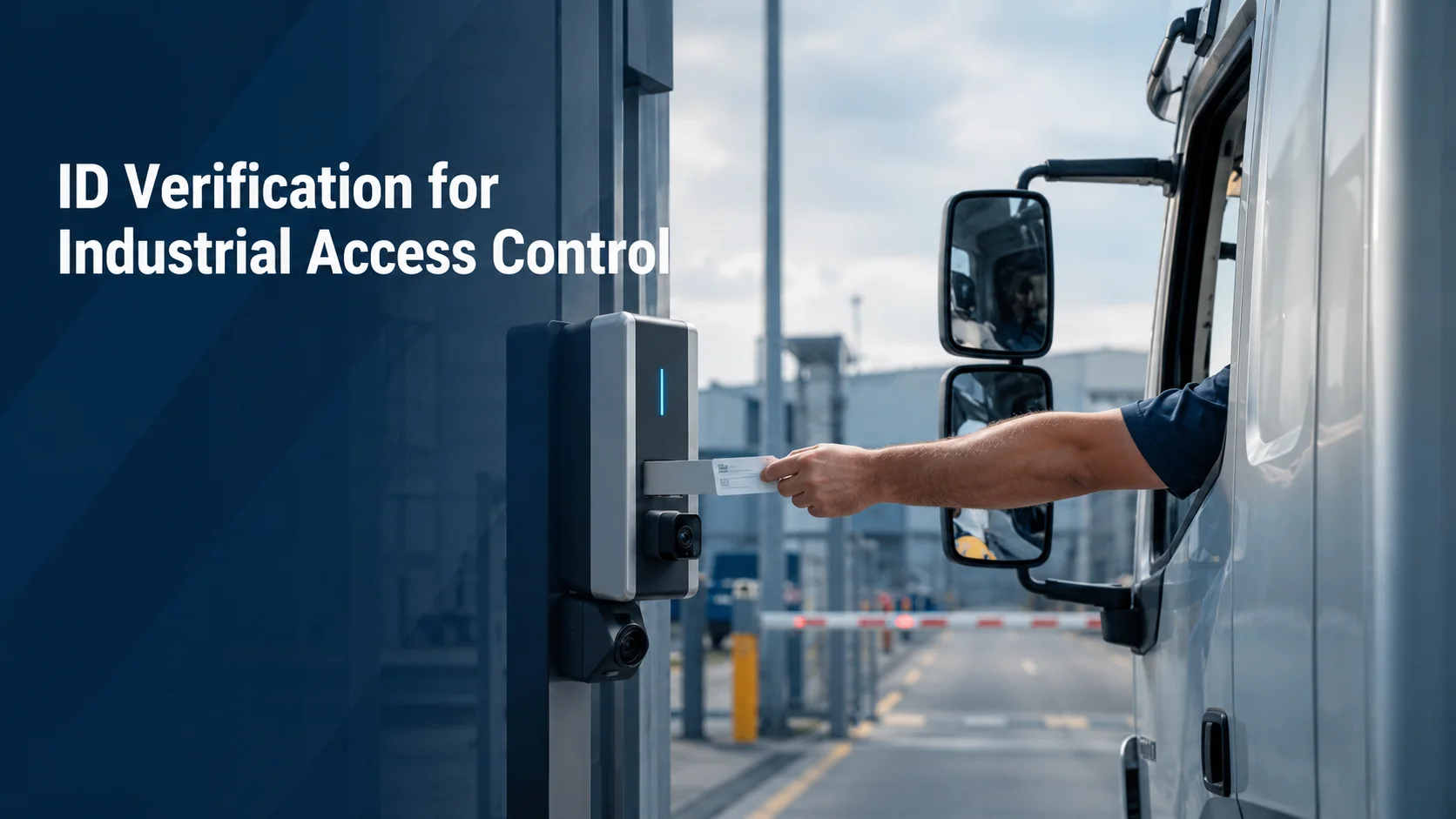
At basic access control systems, it means checking of an ID of a driver or employee, visitor pass or company badge. However, in the industrial setting, ID verification requires something more.
At a logistics yard, it may mean verification of the driver’s identity, carrier name, trailer number, load status, Bill of Lading, and seal integrity. At a manufacturing facility, ID verification will allow verifying vendor or contractor before giving him access to the restricted area.
Therefore, the task is not just to give or deny access. The task is to make an access event confirmed. That is why our approach to verification is superior to basic access control.
The Drawbacks of Traditional ID Checks
Manual ID verification process consists of checking of the document, asking questions and making notes and decision about allowing or denying access.
This process works well in simple situations, but becomes rather difficult in the industrial settings.
For example, during peak periods, many drivers come to the gate at the same time. Vendors can lack necessary information for their visit. A contractor may require access to a restricted area. A guard has to do several things at once: ID verification, gate control, handling calls, monitoring cameras, making notes, and watching surroundings.
This process may cause various errors.
Checking can be done too quickly. Notes may not include all the necessary information. Trailer number may be written inaccurately. Seal check may not be documented. Visitor may be given permission without all the necessary information.
When something bad happens after such check, managers have to look for information in notes, videos, telephone calls, and memories.
This is not real control. This is control based on hope.
Why Cards, Fobs, and Badges Are Not Enough
Cards, fobs, and badges can be helpful for employees, but they do not provide the whole solution for access control.
First of all, credentials cannot prove the identity.
A fob can be transferred to another person. A card can be lost or taken. A badge can be used by a wrong person. When system checks only a credential, it cannot be sure who actually stands at the gate.
It is even more dangerous for facilities with valuable inventory, sensitive equipment, high trucks volume, and strict requirements. For third-party drivers, vendors, contractors, and visitors, this is a more serious problem. It is not possible to give permanent credential to everyone who needs access to a particular site.
That is why Birdseye provides verification process for every individual and every access event.
Birdseye GateCORE: ID Verification in the Process of Gate Operation
GateCORE is a gate automation and access control product of Birdseye Security for logistics yards, industrial facilities, manufacturing sites, warehouses, and distribution centers.
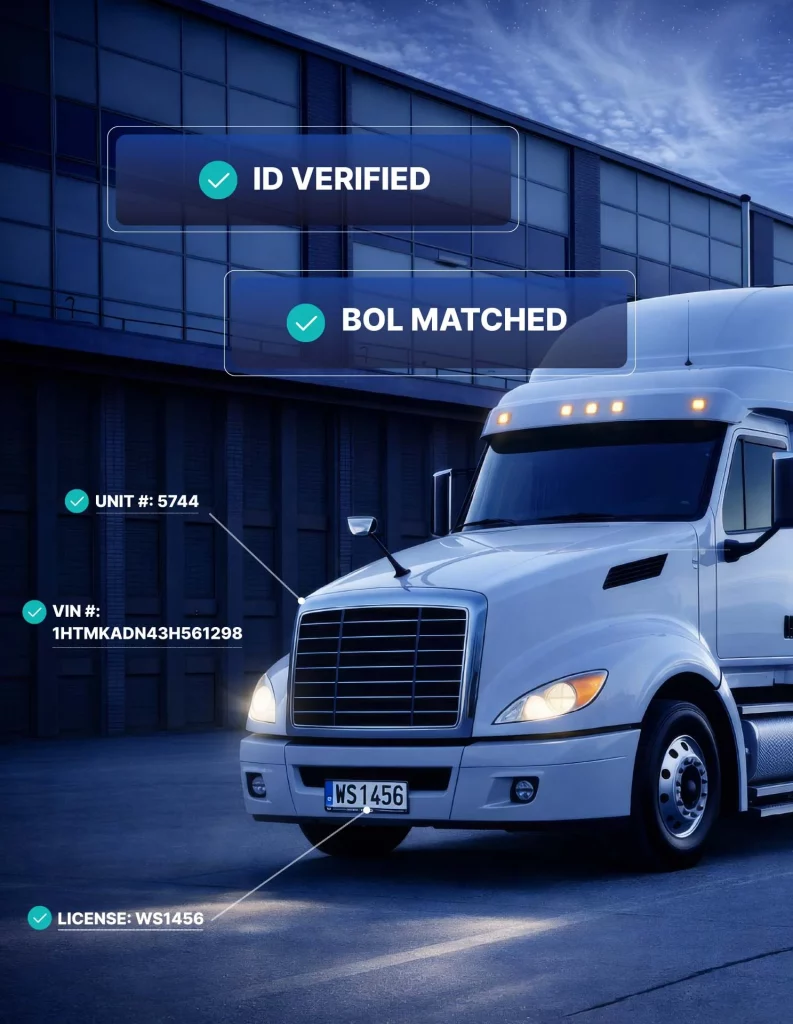
GateCORE allows conducting verification of drivers, registration of vehicles and trailers, license plates capture, Bill of Lading documentation, seal check, access event workflow management, and transaction record at the gate.
This is because of the fact that access control for industrial sites is not only a driver’s identification. It is his vehicle, trailer, documents and purpose of the visit as well.
Basic ID check will allow knowing who the driver says he is. With the help of GateCORE, it is possible to obtain more detailed information about the access event.
- Who visited the gate?
- Which vehicle did he have?
- What trailer did he have?
- Was his document captured?
- Was the seal checked?
- Were there any transaction records?
Such information makes managers more confident in access control process.
AI-Based Monitoring With Human Verification
AI technologies can detect activities fast, organize information, and attract attention to events. However, AI alone is not enough for industrial access control.
Sometimes it is needed to make a judgement about something.
A driver may visit the gate earlier than planned. Vendor may not be included in the list. A contractor may require temporary access. A trailer may not correspond to the expected record. An ID may require additional examination. A person may be allowed to enter one place, but not others.
That is why Birdseye combines monitoring by AI with the involvement of human experts.
AI detects events, while human experts make verification of these events, conduct site-specific procedures, and help to make right decisions. This is a human-in-the-loop technology which helps to minimize errors, manage exceptions, and ensure consistency.
This is not automated access control. It is human-verified facility supervision.
Remote Access Control While Ensuring Accountability
Remote access control allows reducing the responsibility of on-site teams, but it should not reduce accountability.
Birdseye allows facilities to perform remote access control without losing verification structure and documentation of the process. In case a person visits the gate, remote agents will help to check his identity, communicate with him, evaluate visually information, and decide whether access should be allowed according to the site’s procedures.
It is very helpful for sites which work after hours, have several gates, deal with high traffic, or try to reduce dependence on traditional guard-only coverage.
With Birdseye, it is not needed to expect from one guard to do everything at once. It is a new scalable model for verification, response, and documentation.
SafeCORE: Protecting Access Points Beyond the Main Gate
Access control does not begin at the gate.
Industrial facilities can have fence line, side gates, parking areas for employees, trailer lots, outdoor storage areas, and restricted areas which pose a risk to the security of the site.
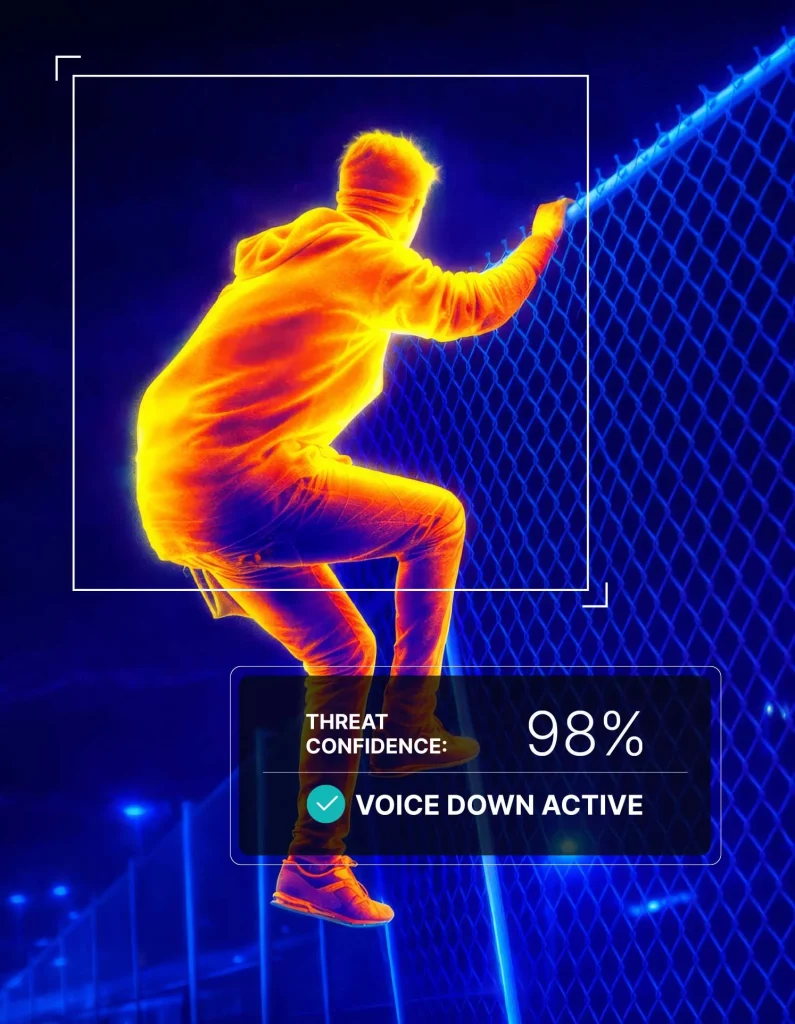
SafeCORE helps to monitor and protect these areas with the help of AI-based perimeter monitoring, human verification, voice-down intervention, incident escalation, and incident documentation.
This is because unauthorized access may take place not only via the main gate. In case somebody bypasses the gate, approaches restricted area, or enters the property out of working hours, the facility needs to detect and react to this threat.
SafeCORE gives Birdseye customers an additional security layer for the facilities beyond traditional access control.
YardCORE: Supervision After Access Has Been Granted
Verification of the identity of the person at the gate is only the first step.
Once a driver, a vendor, a contractor, or another individual or vehicle enter the facility, the site still needs information about what is going on. Has the driver gone to the right place? Was the trailer parked correctly? Did the vendor go to his area of operation? Were there any incidents in the yard?
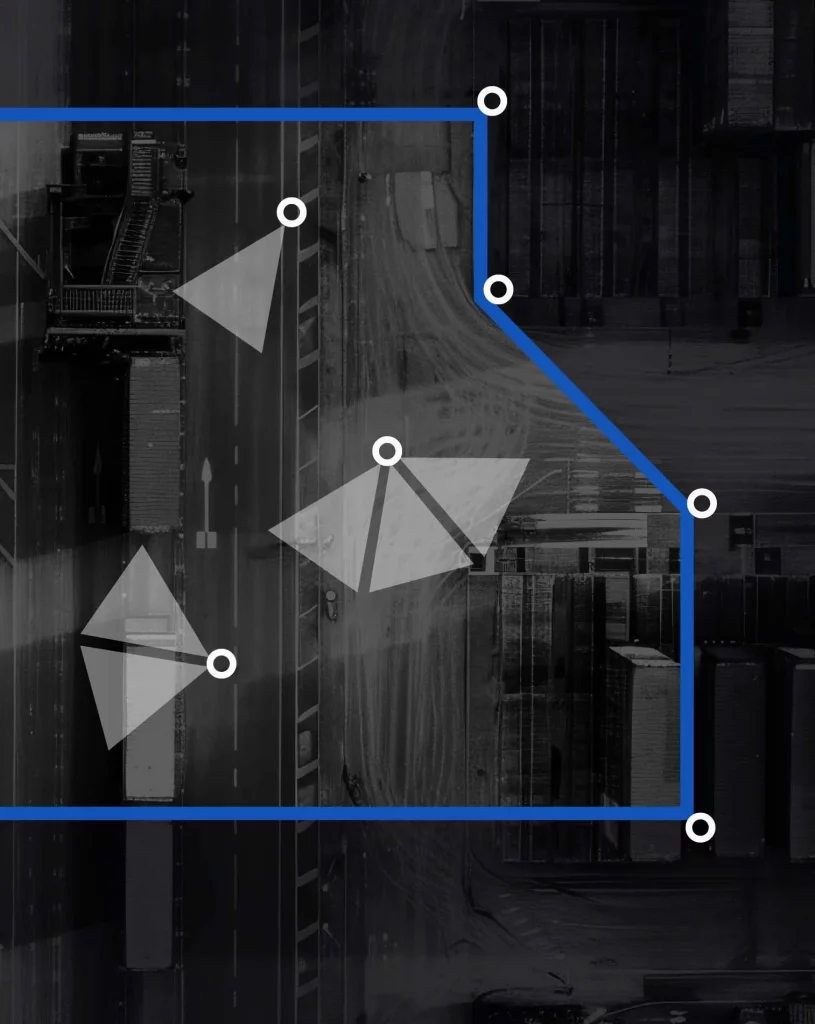
YardCORE allows facilities to supervise yard activity after access has been given. It gives visibility of movement, safety incidents, restricted areas, procedure enforcement, and incident documentation.
This makes access control more complete. Facility team knows not only who enters the premises, but also what happens after he enters.
The Portal: Bringing Key Activity to One Centralized View
One of the problems with traditional access control systems is scattered information.
ID check takes place at the gate. Videos are stored in one place. Logs are handwritten. Incidents are discussed via emails. Activity in the yard is not connected with the gate.
With the help of The Portal, it is possible to centralize all key activity.
Our customers can use The Portal for investigation of gate transactions, access events, yard activity, perimeter incidents, incident records, and other operational data. It helps to improve procedures, comply with laws, increase accountability in the facilities.
With the help of The Portal, scattered information turns into operational data.
What Makes Birdseye ID Verification Unique
We are not checking identities. We are helping industrial facilities to build efficient access control process.
Difference is in connecting identity verification with gate automation, remote monitoring, human verification, perimeter protection, yard supervision, and reporting.
Why it is important? Because industrial facilities do not function as a separated parts. Gate, yard, perimeter, and reporting are connected.
Better ID verification process reduces unauthorized access. GateCORE helps with documentation of the access event. SafeCORE protects the site around the gate. YardCORE supervises activity in the yard. The Portal allows to examine the information.
All these services together help to create access control strategy.
Go Beyond the Basic ID Checks
If your facility still uses manual ID checks, key cards, fobs, paper-based logs, or passive video footage, it is time to change something.
Birdseye helps logistics yards, manufacturing facilities, warehouses, automotive yards, and other industrial facilities to modernize their access control with AI-powered monitoring, human verification, remote access control, and reporting.
With GateCORE, SafeCORE, YardCORE, and The Portal, Birdseye helps your facility to verify access events, protect the site, supervise yard activity, and get better reports.