The first time a yard hits the wall, it rarely looks dramatic.
It looks like a normal week where the numbers creep up. A few more inbound appointments. A few more trailers parked in the wrong row. A few more calls from dispatch asking where something is. A few more drivers waiting because nobody can confirm the release.
Most teams try to solve it with effort first. More radio checks. More yard walks. More handwritten notes taped to monitors. More time spent reconciling what the dock thinks is true versus what the yard actually looks like.
Eventually, a Yard Management System gets introduced as the adult in the room.
The First Wins Feel Real
In the early days, a YMS usually delivers.
Inventory gets organized. Moves become trackable. Yard drivers stop relying entirely on memory. Managers finally have a record of trailer location, status, and timestamps that can be referenced instead of argued about.
It creates a shared language. Row, slot, status, move, dwell.
Many YMS vendors describe the category the same way. One straightforward definition from Manhattan Associates describes a yard management system as software that controls activity in the yard and helps manage the movement and positioning of trailers and containers.
That description matches what operators expect from the system: a clearer picture and fewer mysteries.
The System Gets Trusted Before It Gets Tested
A yard does not stay in “early days” mode for long.
Volume rises. Shifts rotate. New drivers show up. Temporary staff fills gaps. Peak hours compress decisions into minutes. The yard keeps moving, so the system has to keep accepting inputs.
At that point, the YMS starts behaving like a permanent record. Teams begin treating the dashboard as reality.
That is when the real limitation shows up.
A YMS records what people say happened.
It does not guarantee it happened that way.
Where the Record Breaks
Most problems enter the record at the gate.
Gate transactions happen fast, even at facilities that run disciplined processes. Names get entered. Trailer numbers get logged. Entry gets approved. A release gets recorded. A seal is assumed intact because nobody wants to hold up a line.
Oracle’s Yard Management documentation lays out the types of yard transactions systems are built to manage, including check-ins, check-outs, seal-related steps, and trailer movements. The list is familiar to anyone who has worked in a busy yard.
The system captures the event. The system stores the detail. The system moves the workflow forward.
The system does not verify intent.
When a mistake happens at the gate, it becomes a clean transaction inside the system. The YMS looks correct. The logs look complete. Downstream teams make decisions based on that record.
How Loss Events Stay Invisible Until It Hurts
When something goes wrong, it rarely shows up as an obvious system error.
It shows up as a claim. A dispute. A customer escalation. A carrier insisting they never picked up the load. A receiver reporting a trailer mismatch. An internal review where two teams bring two versions of the same event.
That is when people pull video. That is when they compare timestamps. That is when they discover the gap between what was recorded and what occurred.
The FBI’s cargo theft guidance explicitly calls out “strategic cargo theft” that relies on deceptive tactics, including fictitious pickups, identity theft, fraudulent carriers, and similar fraud-based methods.
This matters for yard operations because fraud-based theft fits cleanly inside normal process flow. The gate can look routine. The paperwork can look plausible. The record can look complete.
The load still disappears.
Why More Tools Often Produces More Noise
Most yards respond by adding layers.
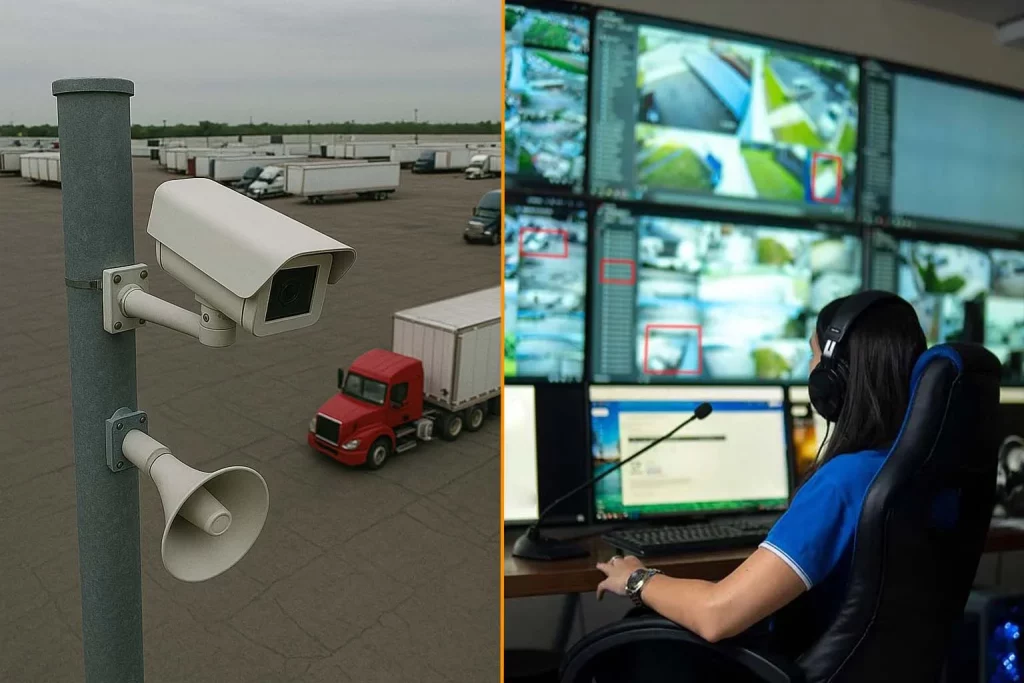
More cameras. More access systems. More alerts. More fields required at check-in. More integrations between systems that were never designed to agree with each other.
Documentation improves. Audit trails get longer. Reporting gets richer.
The gap remains.
A growing file of evidence does not prevent the event. It supports the explanation after the fact.
That distinction becomes expensive.
The Gate Becomes the Center of Gravity
Some facilities eventually make a different decision.
They stop treating the gate as a logging station and start treating it as the control point it already is. They standardize what gets verified. They reduce variability between shifts. They shrink the space where judgment gets improvised under pressure.
The payoff is not a prettier dashboard.
The payoff is fewer records that need to be defended later.
Once the first transaction is reliable, the rest of the yard record becomes easier to trust.
What Comes Next for Mature YMS Environments
A YMS remains necessary. It remains central. It remains the system teams rely on for inventory, movement, and planning.
Its value rises when the data feeding it reflects verified execution at the points where risk concentrates, especially at entry, release, and exception handling.
Yards that reach this stage stop chasing more visibility. They start chasing fewer assumptions.
Where Birdseye Fits
Birdseye supports yards that already run a YMS by focusing on real-time oversight and protocol enforcement at the gate and across the facility, so the data entering yard systems matches what occurred during access and release.
Birdseye’s approach aligns with its broader model of combining AI-driven systems with trained remote agents for real-time monitoring, fast intervention, and accurate reporting.