Third-party logistics providers face a security challenge that is different from most warehouses.
A 3PL may handle freight for dozens or hundreds of customers while coordinating drivers, carriers, trailers, employees, contractors, and visitors across the same facility.
That makes security consistency critical.
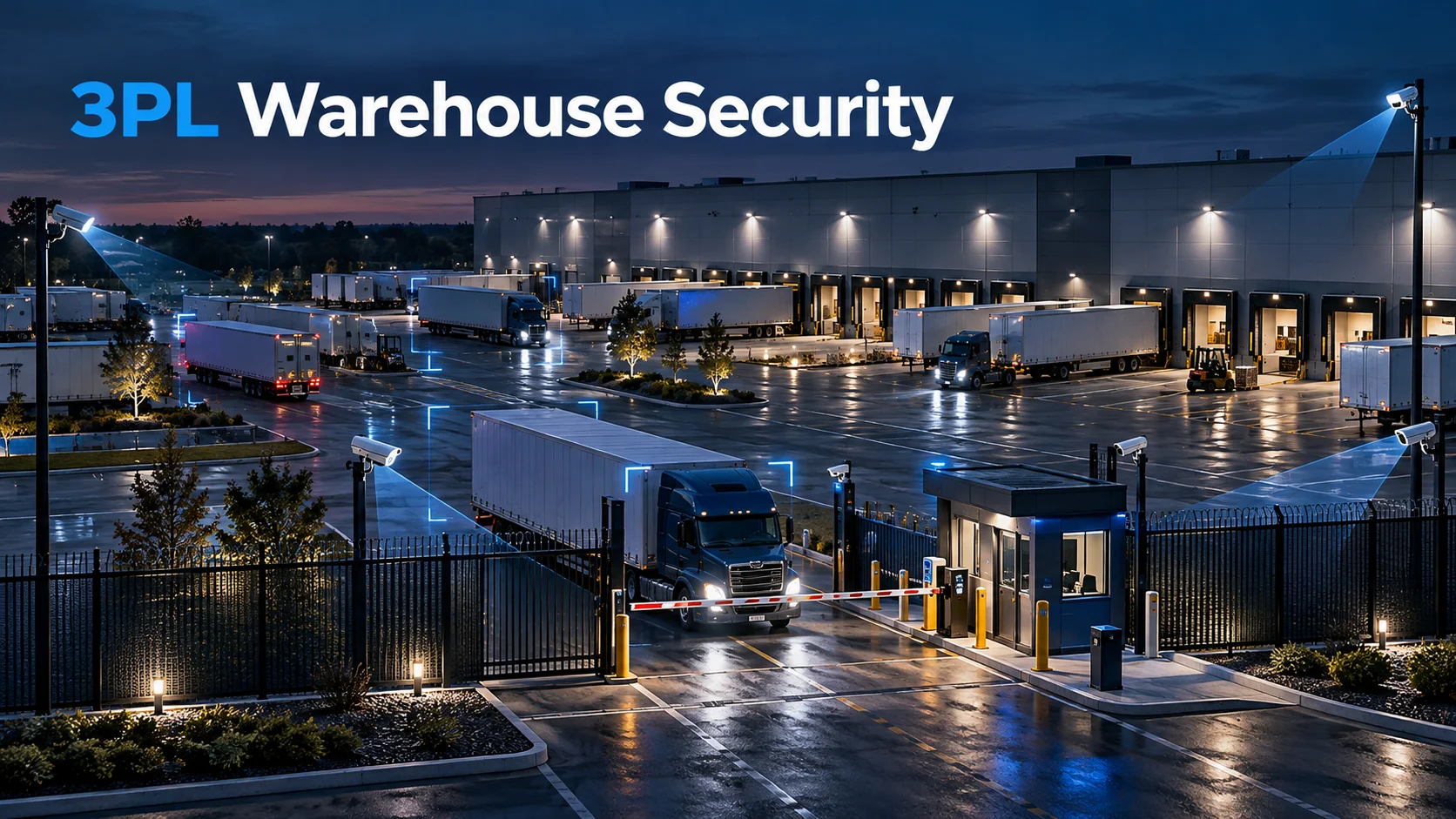
Strong 3PL warehouse security connects gate verification, yard visibility, perimeter monitoring, and documented response into one operating process.
What Is 3PL Warehouse Security?
3PL warehouse security is the combination of physical security, access control, freight verification, yard monitoring, and operational procedures used to protect customer inventory while it is stored, handled, transferred, or staged at a third-party logistics facility.
It can include:
- Driver and carrier verification
- Truck and trailer identification
- Gate access control
- BOL and shipment documentation
- Seal checks
- Trailer and yard visibility
- Restricted-area monitoring
- Perimeter protection
- Incident documentation
The important part is that these controls work together.
A secure perimeter does not solve a weak pickup process, and a strong gate does not protect freight if the yard becomes a blind spot afterward.
Why 3PL Facilities Face a Different Security Problem
A single-company warehouse typically controls its own employees, inventory, carriers, procedures, and shipment schedules.
A 3PL facility operates across multiple customers and transportation partners. That creates more variables.
Different customers may have different pickup procedures. Different carriers may use different drivers. Trailers arrive and leave throughout the day. High-value freight may sit near lower-risk inventory. Temporary drivers and contractors may be unfamiliar to the facility.
As volume increases, relying on individual guards or employees to remember every customer protocol becomes difficult.
The security system needs to enforce the process consistently even when the people, freight, and carriers constantly change.
Driver and Carrier Verification Matters More Than Ever
Cargo theft increasingly involves deception rather than simply forced entry.
The FBI identifies strategic cargo theft methods including fictitious pickups, identity theft, fraudulent carriers, account takeovers, and double brokering.
Facilities can review the FBI’s cargo theft guidance for additional information.
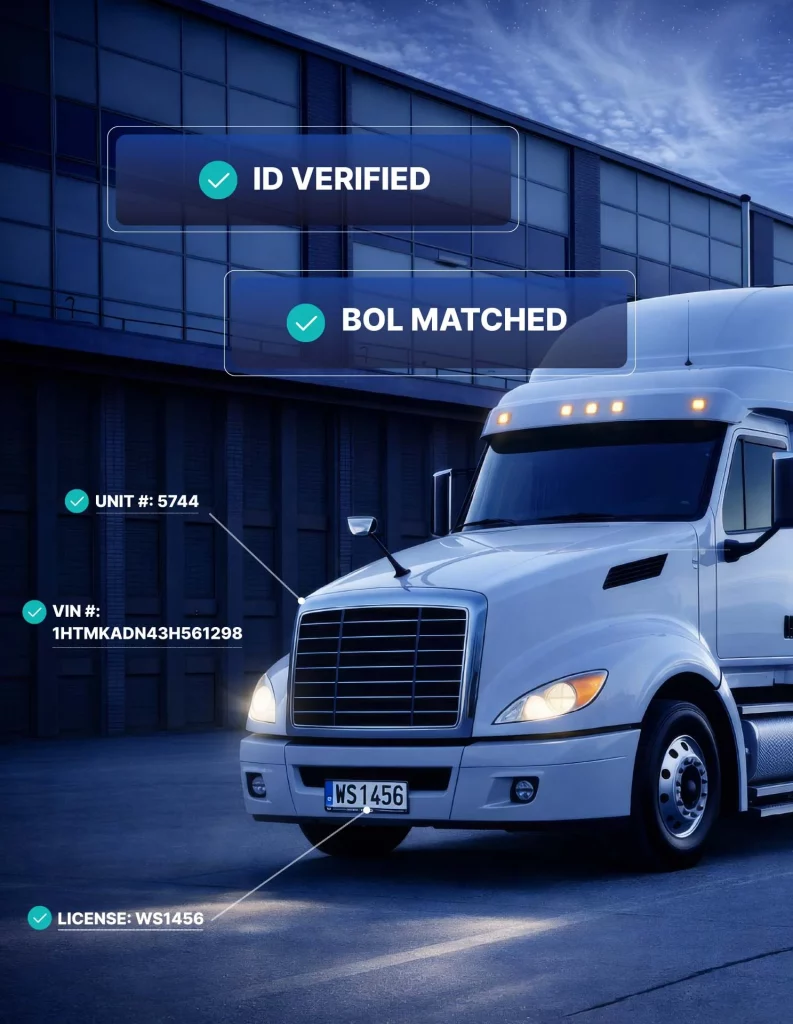
For a 3PL, that means the gate should verify more than whether a driver knows the name of the customer.
The transaction may need to confirm:
- Driver identity
- Carrier
- Truck
- Trailer
- Appointment or pickup reference
- BOL information
- Seal number and condition
- Customer-specific authorization
The goal is to make it harder for a convincing story to substitute for a verified transaction.
Every Customer Should Not Depend on a Different Guard Procedure
This is where many 3PL security programs become difficult to scale.
- Customer A may require a seal check.
- Customer B may require a pickup number.
- Customer C may require secondary approval.
- Customer D may allow only specific carriers.
If all of that knowledge exists primarily in instructions beside a guard desk, errors become much more likely.
A structured gate workflow can help ensure the correct protocol is followed based on the transaction instead of depending entirely on memory.
When an exception occurs, a trained person should still be able to step in and resolve it.
Automation should handle routine verification while human judgment handles the situations that do not fit the normal workflow.
3PL Security Does Not End at the Gate
Once freight enters the property, the risk moves into the yard and warehouse environment.
- Trailers may be staged before unloading.
- Loaded trailers may wait for pickup.
- Drivers may move between staging areas and docks.
- Contractors and employees may operate near multiple customer inventories.
- Security teams therefore need visibility into more than entrances and exits.
They need to understand what is happening between them.
Trailer and Yard Visibility Are Critical
A large 3PL yard can contain a significant amount of customer freight at any given time.
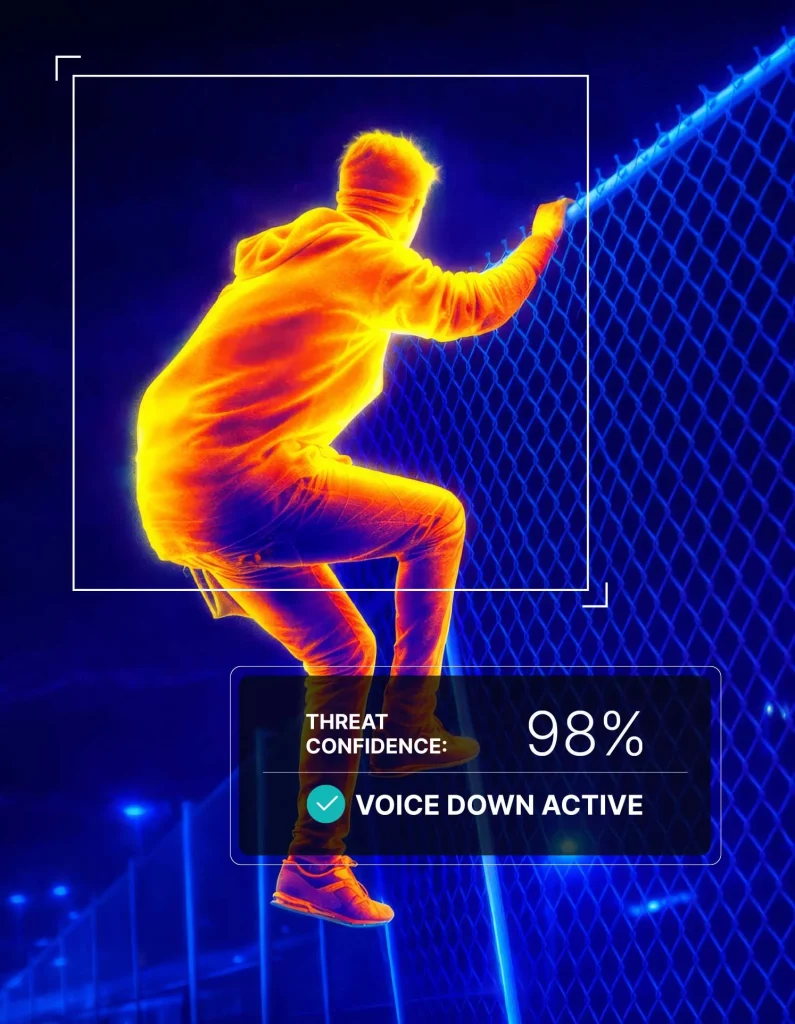
Teams should be able to identify unusual activity around trailers, restricted areas, gates, parking zones, and staging areas.
That includes activity such as:
- Unexpected trailer movement
- People entering restricted areas
- After-hours activity
- Vehicles remaining where they should not
- Activity around loaded trailers
- Unusual movement near the perimeter
Recorded footage may help investigate an incident afterward.
Real security requires detecting and responding while the event is still happening.
Perimeter Security Is the First Layer, Not the Entire Strategy
Fences, cameras, lighting, and perimeter detection remain important.
But organized cargo theft increasingly combines physical and operational vulnerabilities.
A facility can have an excellent fence and still release a shipment to the wrong driver.
Likewise, a perfectly verified truck can enter a yard where valuable trailers are poorly monitored.
That is why 3PL security works best as a connected system:
Perimeter → Gate → Yard → Facility → Exit.
Better Records Protect the 3PL and Its Customers
When multiple customers trust the same facility with their freight, documentation becomes especially important.
A strong transaction record can help answer:
- Who arrived?
- Which carrier were they representing?
- Which truck and trailer were involved?
- Which customer shipment was being handled?
- What documents were presented?
- Was the seal verified?
- Who approved the transaction?
- When did the vehicle enter and leave?
- Were there any exceptions?
This information can be valuable during customer disputes, cargo investigations, insurance claims, and internal reviews.
How Birdseye Supports 3PL Security
Birdseye connects the major security layers around a logistics facility.
GATECORE supports driver, truck, trailer, document, seal, and access verification.
YARDCORE adds visibility into activity after vehicles enter the property.
SAFECORE combines AI-powered perimeter monitoring with trained human verification and intervention.
The Portal centralizes important facility events and records.
The result is a security model designed around the entire facility rather than isolated cameras or guard posts.
What Should a 3PL Security Program Prioritize?
The strongest 3PL security programs focus on consistency.
- Every gate transaction should follow the correct customer protocol.
- Every trailer should remain visible after entering the property.
- Perimeter events should be evaluated in real time.
- Exceptions should have a clear response process.
- Important events should create searchable records.
For a 3PL, security is not only about protecting the building. It is about protecting every customer’s freight through every stage of the facility journey.
Frequently Asked Questions About 3PL Warehouse Security
What are the biggest security risks for 3PL warehouses?
Common risks include fraudulent pickups, unauthorized access, trailer theft, weak driver verification, perimeter intrusion, internal blind spots, inconsistent customer procedures, and incomplete shipment documentation.
How can 3PLs prevent fraudulent cargo pickups?
3PLs can strengthen driver and carrier verification, confirm truck and trailer identifiers, validate pickup information, document BOLs and seals, and require additional authorization when a transaction does not match the expected protocol.
Are security guards enough for a large 3PL facility?
Guards can remain valuable for judgment and response, but high-volume 3PL operations benefit from automating repetitive verification and monitoring tasks so people can focus on exceptions.
Why is yard security important for 3PLs?
Freight remains at risk after passing through the gate. Yard monitoring helps detect unauthorized activity, trailer movement, restricted-area access, and suspicious behavior around customer freight.