Direct Answer: Why Do BOL Capture and Seal Checks Matter at the Gate?
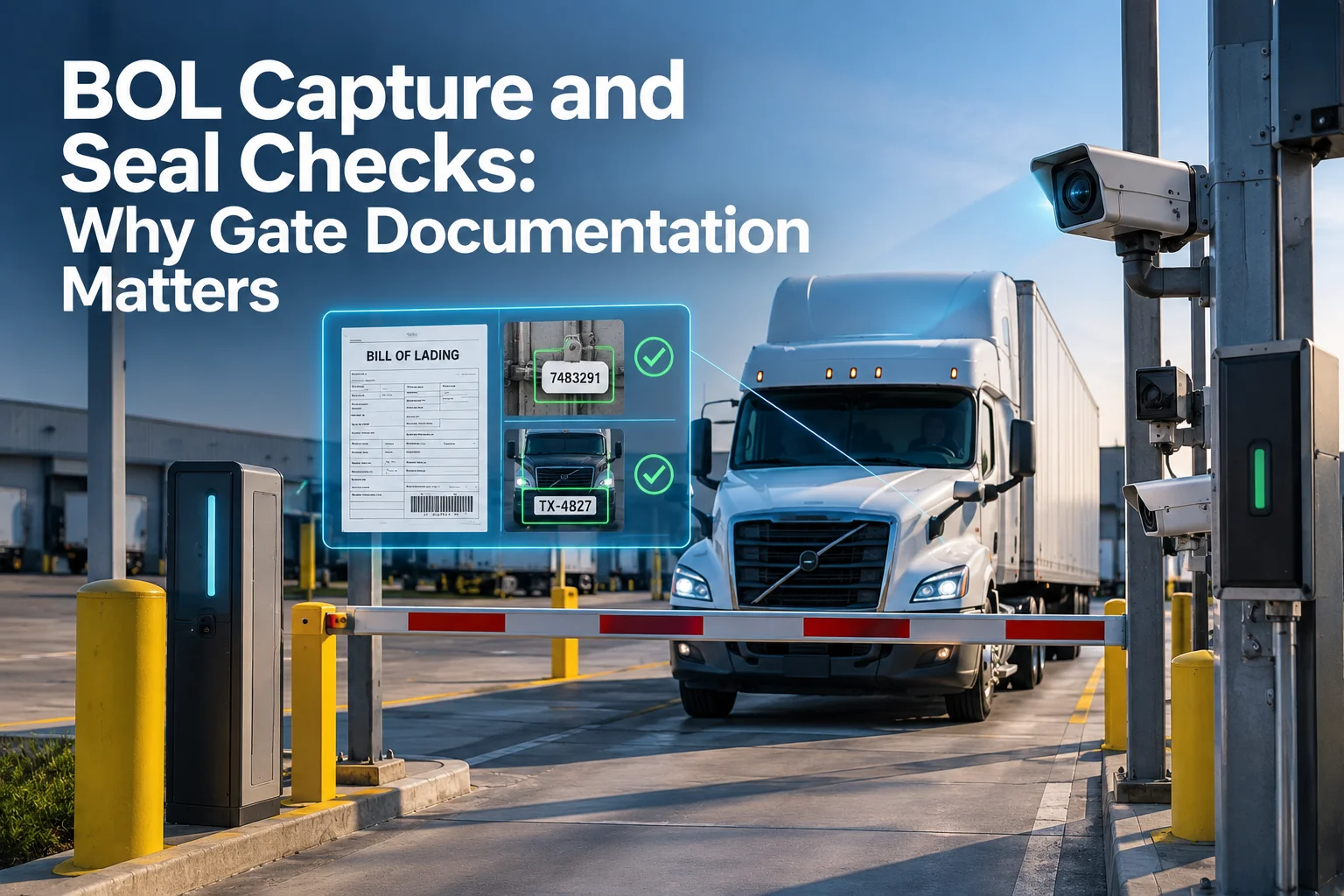
BOL capture and seal checks matter because they help logistics facilities prove what shipment was presented, what trailer was involved, whether the load was sealed correctly, and what access decision was made at the gate.
For warehouses, distribution centers, truck yards, manufacturing sites, transportation operations, and industrial facilities, the gate is not just a place where trucks enter and exit. It is a control point where freight, drivers, vehicles, trailers, documents, seals, and security decisions come together.
If a facility does not capture Bills of Lading, document seal checks, and connect those details to a gate transaction record, it may struggle to answer basic questions later:
- Who picked up the load?
- What trailer was connected to the transaction?
- Was the BOL reviewed?
- Was the seal checked?
- Was there a mismatch?
- Who approved access?
- What happened after the truck entered or exited?
- Can the facility prove it?
Birdseye helps facilities strengthen gate documentation through GATECORE, supported by YARDCORE, SAFECORE, The Portal, AI-powered monitoring, and trained human verification.
For the broader strategy behind this workflow, read our complete guide to truck yard gate automation.
Quick Summary: What Gate Documentation Should Capture
| Gate documentation item | What it confirms | Why it matters |
|---|---|---|
| Driver identity | Confirms who requested access | Reduces unauthorized access and fraudulent pickup risk |
| Carrier information | Confirms the company tied to the load | Helps detect wrong carrier or impersonation issues |
| Truck details | Confirms the vehicle involved | Supports access records, review, and investigation |
| Trailer details | Confirms the trailer, container, or chassis | Reduces trailer mismatch and shipment dispute risk |
| Bill of Lading | Confirms shipment documentation | Supports cargo security, claims, audits, and customer questions |
| Seal number | Confirms the seal tied to the shipment | Helps protect load integrity |
| Seal condition | Confirms whether the seal was intact, missing, damaged, or mismatched | Helps identify exceptions before release |
| Access decision | Confirms whether access was approved, denied, held, or escalated | Creates accountability |
| Video-backed record | Connects documentation to visual proof | Strengthens incident review |
| Centralized transaction record | Stores the event for later review | Reduces time spent searching through scattered systems |
What Is BOL Capture?
BOL capture is the process of recording, scanning, photographing, or digitally storing the Bill of Lading as part of a gate transaction.
The Bill of Lading is one of the most important documents in freight movement because it connects the shipment, carrier, driver, pickup, delivery, and cargo record.
At the gate, BOL capture helps the facility document what the driver presented before access was granted or before freight was released.
This is different from simply looking at the document.
A guard or gate worker may review a BOL in the moment, but if the facility does not capture it, connect it to the transaction, and store it for later review, the record may still be weak.
Looking at a BOL is not the same as documenting a BOL.
A strong gate process should make the BOL part of the access record.
What Is a Seal Check?
A seal check is the process of confirming and documenting the seal number and seal condition on a trailer, container, or shipment.
Depending on the facility and shipment type, a seal may need to be checked at entry, exit, loading, unloading, or another defined point in the workflow.
A seal check may confirm:
- The seal is present.
- The seal number matches the expected record.
- The seal is intact.
- The seal is damaged.
- The seal is missing.
- The seal is mismatched.
- The shipment should be held for review.
- The issue should be escalated.
Seal checks matter because they help protect shipment integrity and create a record of the trailer’s condition at a specific moment.
CBP’s CTPAT supply chain security program focuses on protecting the supply chain, identifying security gaps, and implementing specific security measures and best practices.
For logistics facilities, the principle is simple:
If seal status matters to the shipment, it should be documented at the gate.
Why Gate Documentation Is a Supply Chain Security Issue
Gate documentation is not just an administrative task.
It is part of supply chain security.
The FBI’s cargo theft guidance recommends confirming driver information, truck information, trailer identifiers, and secure pickup numbers at pickup.
That recommendation directly supports the need for stronger gate documentation.
A facility may have cameras, guards, access control, and yard staff, but if it cannot prove who entered, what trailer was involved, what document was reviewed, and what seal was checked, the security record is incomplete.
Weak documentation creates uncertainty. Strong documentation creates control.
For cargo theft prevention, customer disputes, claims, compliance support, and internal accountability, that difference matters.
Why Manual BOL and Seal Processes Break Down
Many facilities still handle BOL review and seal checks manually.
- A driver arrives.
- A guard reviews the paperwork.
- A trailer number is written down.
- A seal may be checked.
- A supervisor may be called.
- A gate arm opens.
- The truck enters or exits.
On paper, that sounds fine.
In real operations, it often breaks down.
The gate gets busy. Drivers line up. Guards are under pressure. A BOL is reviewed but not captured. A seal is checked but not recorded. A trailer number is written incorrectly. An exception is handled verbally. The camera footage exists, but it is not connected to the gate log.
Later, when a shipment is questioned, the facility may have to search through paper logs, emails, phone calls, camera footage, and memory.
That is not a strong documentation process.
Manual gate documentation often fails because it depends too much on people remembering every step during busy, repetitive, high-pressure workflows.
BOL Capture vs. BOL Review
There is a big difference between reviewing a BOL and capturing a BOL.
BOL Review
BOL review means someone looks at the document in the moment.
This may help the gate decide whether the driver appears to have the right paperwork. But if the document is not stored, the facility may not be able to prove exactly what was reviewed later.
BOL Capture
BOL capture means the document becomes part of the gate transaction record.
The facility can connect the BOL to:
- Driver identity
- Carrier information
- Truck details
- Trailer number
- License plate
- Pickup or delivery reference
- Seal check
- Timestamp
- Access decision
- Video-backed evidence
- Exception notes
This creates a stronger record.
A reviewed BOL helps in the moment. A captured BOL helps in the moment and later.
That is why BOL capture should be part of automated truck gate check-in and gate transaction records.
For a step-by-step breakdown of that workflow, read our guide to automated truck gate check-in.
Seal Checks vs. Seal Documentation
The same issue applies to seals.
A seal check without documentation is weak.
A guard may check the seal and wave the truck through. But if the seal number is not recorded, the condition is not captured, and the check is not connected to the transaction, the facility may not be able to prove what happened.
Seal documentation should answer:
- Was the seal present?
- What was the seal number?
- Did it match the expected record?
- Was the seal intact?
- Was it damaged?
- Was it missing?
- Was there a mismatch?
- Was the event approved, held, denied, or escalated?
- Who reviewed the exception?
- Can the team review the event later?
For Canada-facing operations, the Canada Border Services Agency’s guidance on how to use cargo seals also emphasizes defining, documenting, and implementing seal procedures for supply chain security programs.
The practical lesson is clear:
A seal check only becomes useful when the result is documented and tied to the shipment record.
The Most Common Gate Documentation Gaps
Gap 1: The BOL Is Checked But Not Stored
This is one of the most common problems.
The gate team may review the BOL, but no one captures it. Later, if a shipment is disputed, the facility cannot easily prove what document was presented.
This creates avoidable uncertainty.
Gap 2: The Seal Number Is Not Recorded
A seal may be checked physically, but the number may not be entered into a system.
If the seal is later found damaged, missing, or mismatched, the facility may not know when the problem started.
Gap 3: Trailer Details Are Incomplete
The driver may be correct, but the trailer may be wrong.
If trailer numbers, container numbers, chassis details, or equipment identifiers are missing from the gate record, the facility may struggle to reconstruct the transaction.
Gap 4: Exceptions Are Handled Verbally
A mismatched trailer, missing BOL, damaged seal, or unexpected driver may be handled by a quick phone call.
That may solve the immediate problem, but if the decision is not documented, the facility loses accountability.
Gap 5: Video Is Disconnected From the Gate Record
Many facilities have video footage, but the footage is not connected to the transaction.
That means managers may know a truck entered at 2:15 PM, but they still have to search manually through camera footage to find the relevant clip.
Gap 6: Entry and Exit Records Do Not Match
Some facilities document inbound activity better than outbound activity.
That creates risk because the exit event may be the moment when freight leaves the property.
Gate documentation should cover both entry and exit.
Why BOL Capture and Seal Checks Matter for Cargo Theft Prevention
Cargo theft often exploits small gaps.
- A driver seems legitimate.
- A pickup number sounds correct.
- A trailer number is not checked closely.
- A BOL is reviewed quickly but not captured.
- A seal issue is missed.
- A truck exits without a complete record.
These moments can look routine during a busy shift.
But they can create major exposure.
The FBI Philadelphia office has warned transportation and logistics companies about rising cargo theft threats, including fraudulent carrier activity, identity misuse, and shipment misdirection.
That makes gate documentation more important.
A stronger gate record helps facilities prove:
- Who arrived.
- What carrier was involved.
- What truck entered.
- What trailer was connected.
- What BOL was presented.
- What seal was checked.
- What decision was made.
- What exception occurred.
- What happened next.
Cargo theft prevention starts before the load leaves the gate.
Why BOL Capture and Seal Checks Matter for Customer Disputes
Not every documentation problem is a theft problem.
Sometimes the issue is a customer dispute.
A customer may ask:
- Was this load picked up?
- Who picked it up?
- What trailer was used?
- Was the BOL presented?
- Was the seal intact?
- When did the truck leave?
- Was there an exception at the gate?
If the facility cannot answer quickly, customer trust suffers.
A clear gate transaction record helps customer service, transportation, operations, claims, and security teams work from the same information.
This can reduce confusion and shorten investigation time.
Good gate documentation is not only about security. It is also about customer confidence.
Why BOL Capture and Seal Checks Matter for Claims
Claims often depend on documentation.
If freight is missing, damaged, delayed, misrouted, or disputed, the facility may need a clear timeline.
Without strong gate documentation, teams may struggle to prove what happened and when.
A stronger record can show:
- The driver’s identity
- The carrier connected to the load
- The truck and trailer involved
- The BOL presented
- The seal status
- The entry or exit time
- The access decision
- The video evidence
- The exception notes
- The related yard activity
That does not mean documentation solves every claim. But it gives the facility a stronger starting point.
When the gate record is weak, the claim process becomes harder before it even begins.
Why BOL Capture and Seal Checks Matter for Compliance Support
Some facilities need stronger documentation because of internal standards, customer requirements, insurance expectations, or supply chain security programs.
CBP describes CTPAT as a partnership program where participating entities work with CBP to protect the supply chain, identify security gaps, and implement security measures and best practices. CBP CTPAT supply chain security program.
Even when a facility is not formally enrolled in CTPAT, the underlying principle still matters.
Security procedures should be written, followed, documented, reviewed, and improved.
BOL capture and seal checks support that mindset because they turn routine gate tasks into measurable records.
Why BOL Capture and Seal Checks Matter for Yard Visibility
The BOL and seal do not stop mattering after a truck passes the gate.
Once the truck enters the property, the yard becomes the next visibility layer.
- A trailer may be dropped.
- A driver may move to a dock.
- A load may sit staged.
- A vehicle may wait in the wrong area.
- A trailer may be moved again.
- A seal issue may be discovered later.
If gate documentation is not connected to yard visibility, the facility may know that a truck entered but not what happened after entry.
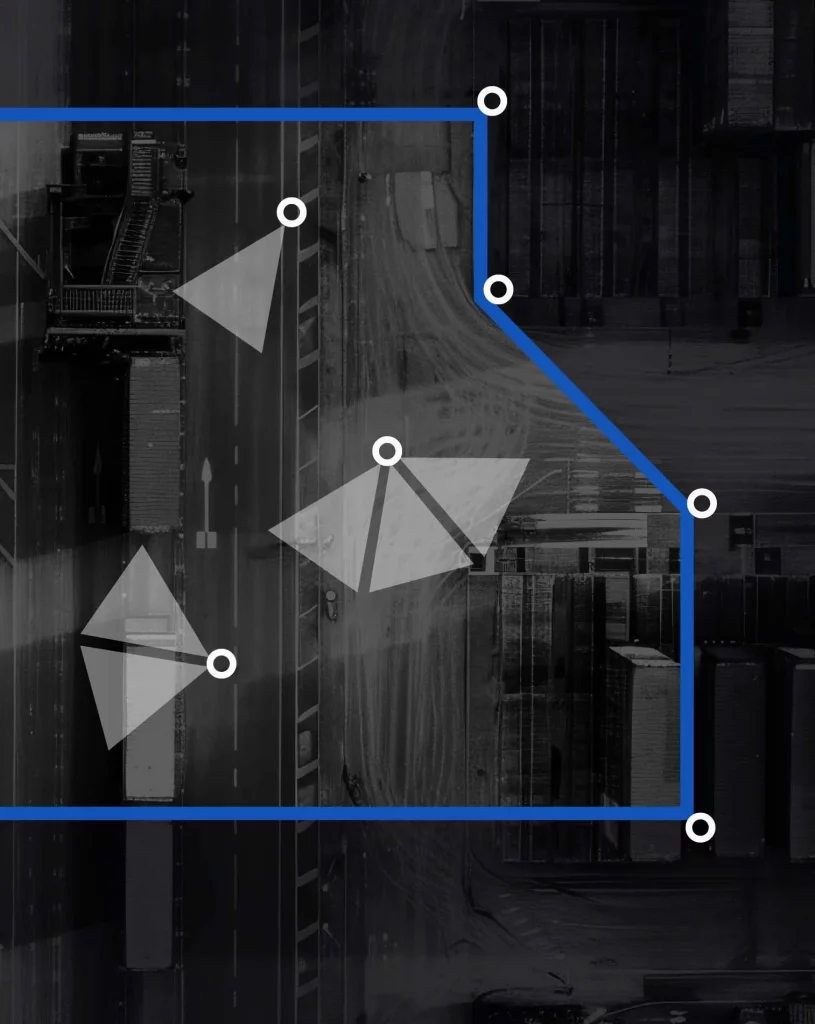
YARDCORE helps facilities extend visibility into yard movement, exceptions, restricted areas, safety events, and procedure issues after access is granted.
This matters because the strongest gate record is even more valuable when it connects to yard activity.
GATECORE documents the access event.
YARDCORE helps show what happened next.
The Portal centralizes the record.
Why BOL Capture and Seal Checks Matter for Perimeter Security
Perimeter security may seem separate from BOLs and seal checks, but the connection matters.
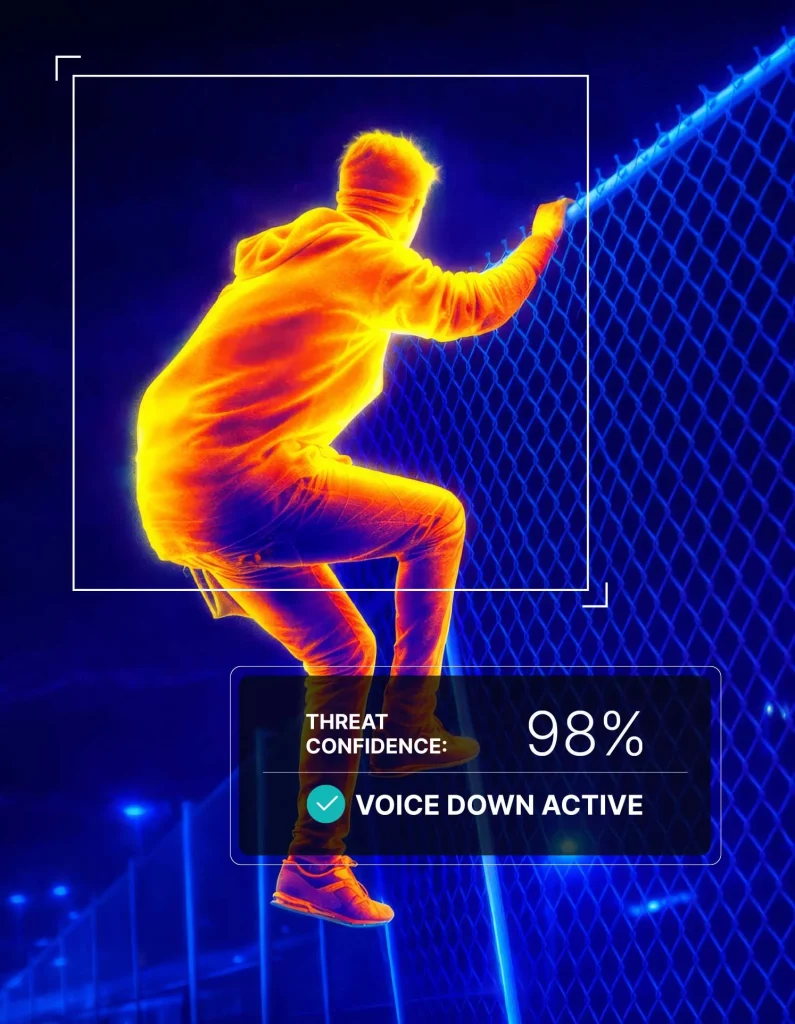
A suspicious perimeter event can become more important if it happens near high-value trailers, outdoor storage, or staged freight. A trailer with a seal exception may require extra monitoring. After-hours activity near a trailer row may need faster verification if the facility knows what freight is exposed.
CISA provides physical security resources that support planning, prevention, and resilience for facility protection.
SAFECORE helps facilities protect perimeter areas with AI-powered detection, human verification, live intervention, escalation procedures, and incident documentation.
When perimeter events connect with gate documentation, facilities get better context.
The question is not only:
“Was someone near the fence?”
The better question is:
“Was someone near a trailer, shipment, or gate event that matters?”
How AI Helps With Gate Documentation
AI can support gate documentation by helping detect vehicles, people, movement, after-hours activity, lane events, and unusual behavior.
But AI should not be treated as the entire process.
AI may detect a truck at the gate. It may recognize activity around a trailer. It may surface a person near a restricted area. But it still needs context.
- Is the driver expected?
- Does the trailer match the record?
- Was the BOL captured?
- Was the seal checked?
- Is the seal exception serious?
- Should access be approved or escalated?
That is why AI works best when paired with human verification and structured workflows.
AI can detect the event. Human verification helps decide what the event means.
Why Human Verification Still Matters
BOLs, seals, drivers, and trailers create real-world exceptions.
- A BOL may be unclear.
- A seal may be damaged.
- A trailer number may not match.
- A driver may arrive early.
- A pickup number may be wrong.
- A carrier may substitute equipment.
- A shipment may require special handling.
- A site manager may need to approve an exception.
A fully automated gate may struggle with those situations.
The Monitoring Association’s AVS-01 Alarm Validation Scoring Standard supports the broader security principle that better event validation helps improve response prioritization.
The same idea applies at the gate.
A BOL issue, seal mismatch, or trailer discrepancy should not be treated as generic data. It should be verified, classified, escalated when needed, and documented.
Human verification turns gate documentation from a checklist into a decision-support process.
How GATECORE Supports BOL Capture and Seal Checks
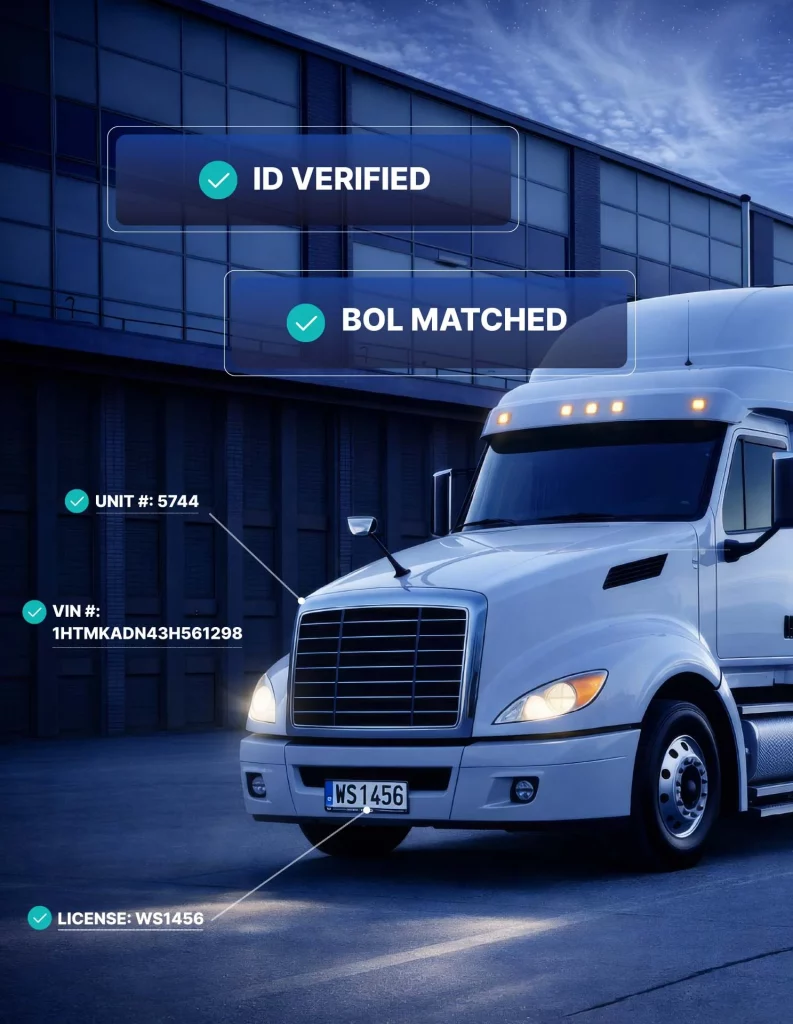
GATECORE helps logistics and industrial facilities strengthen the gate workflow.
Instead of relying only on guards, clipboards, handwritten logs, disconnected cameras, and phone calls, GATECORE helps create a structured gate transaction record.
GATECORE can support:
- Driver verification
- Carrier confirmation
- Vehicle logging
- Trailer documentation
- License plate capture
- BOL documentation
- Seal checks
- Access decisions
- Exception handling
- Remote supervision
- Video-backed review
- Gate transaction records
This helps facilities make BOL capture and seal checks part of the access workflow instead of optional manual steps.
The goal is not paperwork for paperwork’s sake.
The goal is better control.
How The Portal Centralizes Gate Documentation
The Portal helps turn gate documentation into usable operational intelligence.
Without a centralized system, records are often scattered across:
- Camera platforms
- Paper guard logs
- Emails
- Phone calls
- Spreadsheets
- Shipping and receiving notes
- Incident reports
- Security systems
That makes investigations slower.
The Portal helps centralize gate transactions, yard events, perimeter alerts, incident records, and operational activity in one place.
For BOL capture and seal checks, this means teams can review the transaction more easily and connect documentation to the larger facility timeline.
This is useful for:
- Cargo theft prevention
- Shipment disputes
- Claims
- Audits
- Customer service
- Compliance support
- Security review
- Training
- Procedure improvement
- Multi-site reporting
Gate documentation is only as useful as the team’s ability to find and trust it later.
What a Strong BOL and Seal Workflow Should Include
A strong workflow should be simple enough for daily use and detailed enough for later review.
Step 1: Confirm the Driver and Carrier
The facility should verify who the driver is and what carrier is connected to the transaction.
This step helps prevent unauthorized access, wrong carrier issues, and fraudulent pickup risk.
For a full breakdown, read our guide to driver verification at warehouse gates.
Step 2: Confirm the Truck and Trailer
The gate should document the truck, license plate, trailer number, container number, or chassis information when required.
This connects the physical equipment to the shipment record.
Step 3: Capture the BOL
The BOL should be captured and tied to the gate event.
A photo, scan, or digital record should be clear enough to review later.
The facility should not rely only on “the guard looked at it.”
Step 4: Check and Document the Seal
The seal number and seal condition should be documented when required.
If the seal is missing, damaged, mismatched, or unclear, the transaction should be held or escalated according to site procedure.
Step 5: Make the Access Decision
The facility should record whether the truck was approved, denied, held, routed, or escalated.
The access decision should connect to the verified details.
Step 6: Provide Instructions
The driver should receive clear instructions for staging, dock assignment, trailer drop, waiting area, exit, or hold process.
Step 7: Store the Transaction
The complete gate transaction should be stored for review.
This includes driver, carrier, truck, trailer, BOL, seal, timestamp, access decision, notes, and video-backed evidence.
Step 8: Connect the Event to Yard and Perimeter Activity
The best gate documentation does not live alone.
It should connect to yard visibility and perimeter monitoring when relevant.
That gives teams a fuller picture of what happened across the facility.
What Should Be Included in a Gate Transaction Record?
A strong gate transaction record should include:
- Driver name
- Carrier name
- Appointment or pickup number
- Truck number
- License plate
- Trailer number
- Container number
- Chassis information
- BOL capture
- Seal number
- Seal condition
- Entry time
- Exit time
- Access decision
- Exception reason
- Remote agent notes
- Video evidence
- Yard destination
- Related yard activity
- Related perimeter event
- Escalation record
- Final transaction status
The exact details depend on the facility’s workflow.
The principle is simple:
If the information would matter during a cargo theft investigation, customer dispute, claim, audit, or security review, it should be captured at the gate.
Common BOL and Seal Check Mistakes
Mistake 1: Looking at the BOL Without Capturing It
This is the biggest mistake.
A document that is viewed but not captured may not help later. If the shipment is questioned, the facility needs a record.
Mistake 2: Recording Trailer Details Separately From the BOL
The trailer should connect to the BOL and gate transaction.
If those records live separately, the facility may struggle to prove which trailer was tied to which document.
Mistake 3: Checking Seals Without Recording Seal Numbers
A seal check is stronger when the number and condition are documented.
Without that, the facility may not know whether a seal issue happened before entry, inside the yard, or after exit.
Mistake 4: Treating Seal Exceptions as Minor Issues
A missing, damaged, or mismatched seal should not be ignored.
The event should follow a defined escalation process.
Mistake 5: Documenting Entry But Not Exit
Exit records matter.
A truck leaving the facility may carry freight, an empty trailer, returns, customer property, or equipment. Outbound activity should be documented as carefully as inbound activity.
Mistake 6: Keeping Records in Too Many Places
A BOL in one system, seal note in another, camera footage in another, and gate log on paper creates confusion.
Centralized records make review faster and more reliable.
Signs Your Facility Needs Better BOL Capture and Seal Documentation
Your facility may need a stronger process if:
- BOLs are reviewed but not stored.
- Seal checks are inconsistent.
- Trailer numbers are hard to verify later.
- Drivers are waved through during busy periods.
- Gate records are handwritten.
- Exit transactions are less documented than entry transactions.
- Customers ask for proof that takes too long to find.
- Claims require too much manual review.
- Gate exceptions are handled verbally.
- Yard activity is disconnected from gate records.
- Perimeter events are not connected to shipment context.
- Managers rely on camera searches after something goes wrong.
These are signs that gate documentation is not strong enough.
Questions to Ask Before Improving Gate Documentation
Before changing the process, facility leaders should ask:
- Do we capture BOLs or only review them?
- Are BOLs tied to specific gate transactions?
- Do we document seal numbers?
- Do we document seal condition?
- How do we handle missing, damaged, or mismatched seals?
- Are truck and trailer details connected to BOL records?
- Do we verify driver and carrier information consistently?
- Are entry and exit records equally strong?
- Can managers search gate transactions quickly?
- Can we connect gate events to yard activity?
- Can we connect perimeter events to shipment risk?
- Are exceptions escalated and documented?
- Can the process scale across multiple sites?
These questions help turn documentation from a loose habit into a controlled workflow.
Key Metrics to Track
Facilities should measure gate documentation quality over time.
Useful metrics include:
- BOL capture rate
- Seal check completion rate
- Seal mismatch events
- Missing seal events
- Damaged seal events
- Trailer mismatch events
- Missing documentation events
- Held or escalated access events
- Average gate processing time
- Exception review time
- Claims supported by gate records
- Customer disputes resolved with documentation
- Entry vs. exit documentation completeness
- Percentage of transactions with video-backed records
- Transactions reviewed through The Portal
These metrics help teams prove whether the gate process is improving.
They also help leadership understand how documentation supports both security and operations.
Final Takeaway: Gate Documentation Is Gate Security
BOL capture and seal checks may sound like small gate tasks, but they are central to facility security.
A truck gate is not truly controlled if the facility cannot document the driver, carrier, truck, trailer, BOL, seal, access decision, and event record.
For logistics and industrial facilities, weak documentation creates risk before the load leaves the property.
Birdseye helps facilities strengthen this process with GATECORE, YARDCORE, SAFECORE, The Portal, AI-powered monitoring, and trained human verification.
A stronger gate process starts with a simple idea:
If it matters later, document it now.
FAQs About BOL Capture and Seal Checks
What is BOL capture?
BOL capture is the process of recording, scanning, photographing, or digitally storing the Bill of Lading as part of a gate transaction so the facility can review the document later if needed.
Why is BOL capture important at truck gates?
BOL capture is important because it helps confirm what shipment documentation was presented, which driver and carrier were involved, what trailer was connected, and what access decision was made.
What is a seal check?
A seal check is the process of confirming and documenting the seal number and seal condition on a trailer, container, or shipment.
Why are seal checks important?
Seal checks help protect shipment integrity and create a record of whether the seal was present, intact, damaged, missing, or mismatched at a specific point in the shipment process.
Are BOL capture and seal checks part of cargo theft prevention?
Yes. BOL capture and seal checks help reduce cargo theft exposure by making driver, trailer, shipment, and seal verification more consistent, documented, and reviewable.
Is looking at a BOL enough?
No. Looking at a BOL may help in the moment, but capturing the BOL creates a record that can support claims, customer disputes, audits, investigations, and security review.
How does GATECORE support BOL capture and seal checks?
GATECORE helps facilities document gate activity by supporting driver verification, carrier confirmation, vehicle and trailer logging, license plate capture, BOL documentation, seal checks, access workflows, and gate transaction records.
How does The Portal help with gate documentation?
The Portal centralizes gate transactions, yard events, perimeter alerts, incident records, and operational activity so teams can review BOL capture, seal checks, access decisions, and related events from one place.