Holiday weekends create a predictable disruption in logistics operations.
Facilities may close early. Staffing levels drop. Loaded trailers remain staged longer. Regular supervisors may be away. Pickup and delivery schedules shift. Verification requests may arrive when fewer people are available to resolve them.
Cargo thieves understand that pattern.
Holiday cargo theft prevention requires more than locking the gate. Facilities need a plan for staged freight, reduced staffing, driver verification, perimeter monitoring, after-hours response, and post-holiday reopening.
CargoNet’s 2026 holiday advisories repeatedly highlighted two overlapping risks: physical exposure created by loaded freight sitting unattended and verification exposure created when reduced staffing or time pressure makes fraudulent activity easier to approve.
For logistics leaders, the holiday question should not be:
“Are we open or closed?”
It should be:
“Who is watching the freight, who can authorize access, and what happens when something does not match?”
Quick Answer: How Do You Prevent Cargo Theft During Holidays?
| Holiday Risk | Recommended Control |
|---|---|
| Reduced staffing | Define clear authority and escalation procedures before the holiday |
| Staged loaded trailers | Increase yard visibility and control high-risk staging locations |
| After-hours activity | Use active perimeter monitoring and verified response |
| Fraudulent pickups | Strengthen driver, carrier, truck, trailer, and shipment verification |
| Schedule changes | Treat last-minute substitutions and routing changes as exceptions |
| Reopening period | Review unusual events, staged freight, and authorization changes before normal flow resumes |
Why Holidays Create a Different Cargo Theft Environment
CargoNet has warned that reduced staffing, facility closures, staged freight, and holiday schedule disruption can create predictable opportunities for organized cargo theft groups.
Its 2026 July 4 analysis noted elevated risk from both unattended loaded equipment and identity-based fraud. CargoNet also observed that theft activity can cluster in the days around the holiday rather than only on the holiday itself.
Read the CargoNet July 4 holiday advisory and the 2026 Labor Day analysis.
The security window begins before the holiday and continues after the facility reopens.
Risk 1: Loaded Trailers Sit Longer Than Usual
Holiday closures often increase freight dwell time.
A loaded trailer that would normally move within a few hours may sit overnight or through an extended weekend.
That changes the exposure.
Facilities should identify:
- Which trailers will remain loaded
- Which contain high-value or targeted commodities
- Where those trailers will be staged
- Whether the area has strong lighting and camera coverage
- Whether the trailer is visible from the perimeter
- Whether the equipment will be moved during the closure
Holiday planning should include a loaded-trailer inventory, not only a staffing schedule.
Risk 2: Reduced Staffing Creates Verification Pressure
When fewer employees are available, a normal exception can become a security vulnerability.
A driver arrives but the supervisor who normally confirms the pickup is off.
A carrier substitution occurs but the usual transportation manager is unavailable.
A customer requests a last-minute change through an unfamiliar contact.
Someone may approve the transaction simply to keep freight moving.
Reduced staffing should never mean reduced verification.
Before the holiday, define exactly who is authorized to approve unusual pickups and how the approval will be confirmed.
Risk 3: Criminals Exploit Identity and Communication Gaps
The modern holiday threat is not limited to someone cutting a fence.
CargoNet has warned that fraud groups are using compromised phone systems, carrier accounts, and compliance-platform access to appear legitimate during freight transactions.
The FBI also identifies fictitious pickups, identity theft, account takeovers, double brokering, and fraudulent carriers as strategic cargo theft methods.
Read the FBI cargo theft guidance.
A holiday pickup should not receive weaker identity verification just because normal staff are unavailable.
Before the Holiday: Secure the Yard Before Staffing Drops
The best time to prevent holiday cargo theft is before the holiday starts.
Conduct a pre-holiday yard review that covers:
- Loaded trailers expected to remain onsite
- High-value freight
- Lighting failures
- Camera blind spots
- Vegetation blocking fence lines
- Secondary gates
- Damaged fencing
- Unsecured trailers or containers
- Temporary construction access
- Areas that become difficult to monitor after dark
For additional physical security guidance, CISA notes that appropriate security lighting can help support monitoring and detection around facility perimeters.
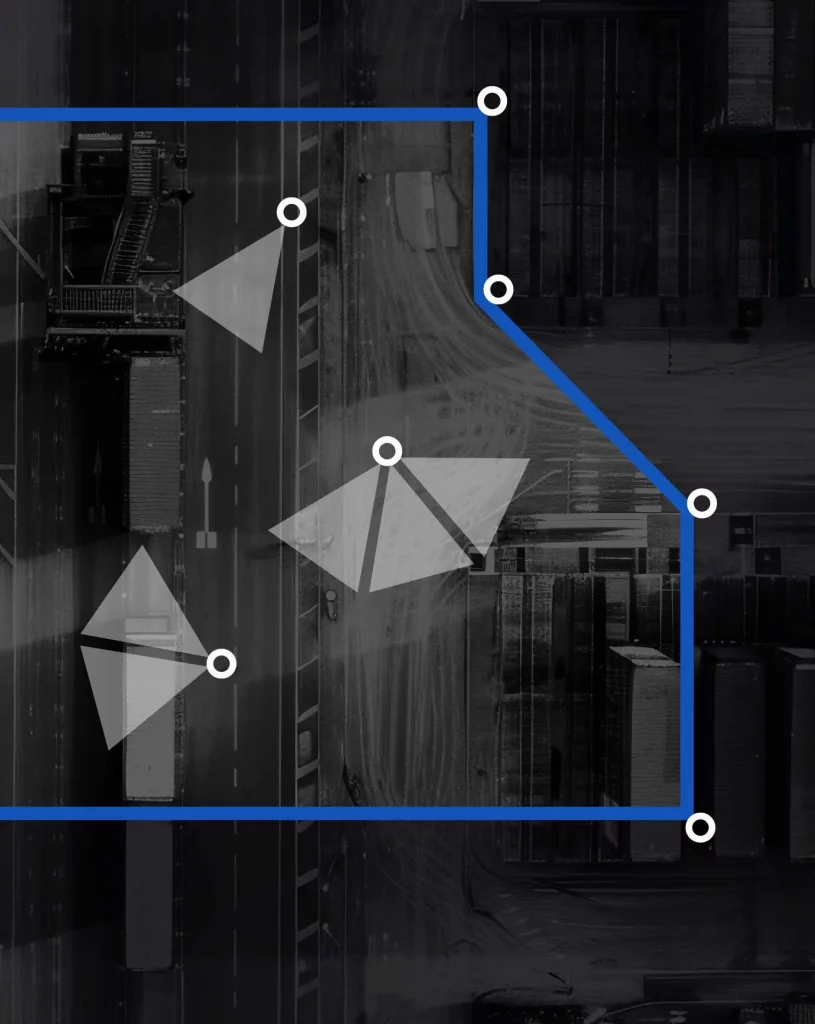
Before the Holiday: Tighten Gate Authorization
Make sure the gate team or remote operators know:
- Which carriers are expected
- Which pickups are authorized
- Which customer contacts can approve changes
- What to do with early or late arrivals
- How to handle substitute drivers
- What documentation is required
- Whether high-value loads require secondary review
This reduces the chance that someone improvises a security decision under time pressure.
During the Holiday: Monitor the Yard, Not Just the Building
Traditional surveillance often focuses on doors, offices, and loading docks.
During a holiday closure, the trailer yard may contain the largest concentration of exposed value.
Monitoring should include:
- Trailer rows
- Fence lines
- Gate approaches
- Employee lots
- High-value staging areas
- Secondary access points
- Areas behind buildings
A quiet yard is not a low-risk yard. It may simply be a yard with fewer legitimate people available to notice abnormal activity.
During the Holiday: Verify Alerts Before They Become Noise
AI monitoring can help identify movement, people, vehicles, and unusual activity across large facilities.
But the system should not generate hundreds of unverified alerts that nobody can act on.
A stronger process uses AI to surface an event and trained personnel to determine whether it is legitimate.
If intervention is needed, the response may include remote communication, Voice-Down™, facility escalation, or law-enforcement notification depending on the event and protocol.
This is especially useful during reduced staffing because the monitoring function does not disappear when the local team goes home.
During the Holiday: Do Not Ignore the Outbound Gate
Holiday theft prevention should focus heavily on freight leaving the property.
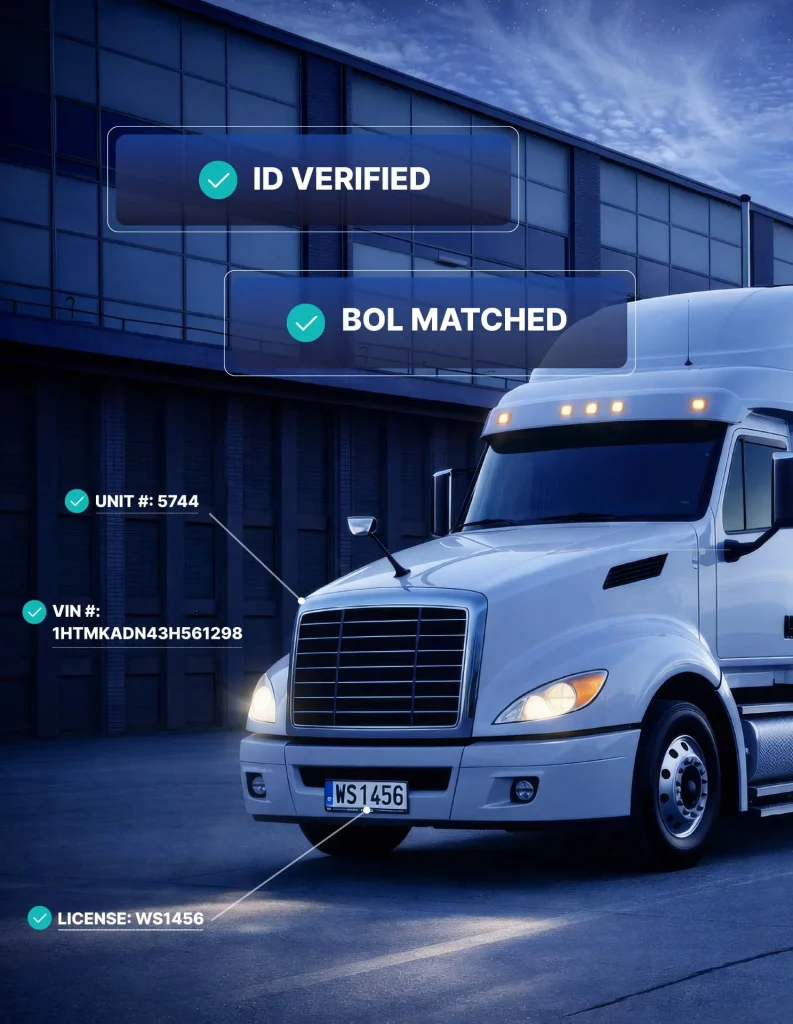
Before a loaded trailer exits, confirm:
- Driver
- Carrier
- Truck
- Trailer
- Pickup or shipment reference
- Authorization
- Required BOL information
- Seal status if applicable
If anything changes at the last minute, the transaction should be treated as an exception.
See Carrier Impersonation at the Gate for a deeper verification framework.
After the Holiday: The Reopening Period Is Still a Risk Window
Security does not return to normal the moment the holiday ends.
The first business day after a closure can be chaotic.
Backlogged pickups arrive. Drivers are early or late. Appointment schedules change. Employees return to a yard that may have contained freight for several days.
CargoNet’s Labor Day analysis found that a significant share of historical holiday-period incidents occurred on the days framing the holiday rather than on the holiday itself.
Reopening should be treated as part of the holiday security plan.
Post-Holiday Reopening Checklist
- Confirm staged trailers are where expected
- Review unexplained trailer movement
- Check perimeter and gate events
- Review after-hours access
- Confirm high-value loads before release
- Validate unusual pickup requests
- Investigate any documentation mismatches
- Review unresolved alerts
Holiday Security Is a Business Continuity Issue
A cargo theft during a holiday can create more than a direct inventory loss.
It can delay customer orders, trigger claims, disrupt production, create emergency investigations, and damage customer confidence at a time when staffing is already limited.
For 3PLs and other logistics providers, the customer relationship can be particularly sensitive.
Holiday cargo security is therefore not only a security issue. It is an operational resilience issue.
Create a Holiday Security Runbook
A holiday security plan should be written down, not left as a collection of verbal reminders.
A simple runbook can identify expected facility hours, reduced-staffing periods, high-value freight onsite, authorized approvers, emergency contacts, gate procedures, remote monitoring coverage, and escalation paths. It should also define which situations require management involvement and which can be resolved by the security team.
This is especially useful when normal managers are unavailable. The overnight team or remote operator should not have to guess whether a last-minute pickup is acceptable.
Include procedures for:
- Unscheduled drivers
- Carrier substitutions
- Damaged or mismatched seals
- Unexpected trailer movement
- Perimeter intrusion
- Power or network problems
- Manual gate operation
- Law-enforcement escalation
A runbook turns holiday security from an informal expectation into an operating process.
Do Not Forget Contractors, Vendors and Temporary Access
Holiday periods may also involve maintenance crews, cleaning teams, snow removal, construction contractors, or temporary vendors working when the facility is otherwise quiet.
These legitimate visitors can create additional complexity because their presence may look unusual to a security system or remote operator.
Pre-register expected contractors where possible. Define their access window, approved areas, vehicle information, and point of contact. This helps security distinguish authorized activity from a real exception.
It also reduces false escalations and makes the facility easier to supervise when fewer local employees are available.
Coordinate Security With Transportation and Customer Teams
Holiday security breaks down when one department changes the plan and another department does not know about it.
Transportation may reschedule pickups. Customer service may approve a late carrier. Operations may move trailers to a different staging area. Security may still be working from the original schedule.
Before a major holiday, create one shared process for communicating changes that affect access or freight release. Define which system or contact list is authoritative and avoid relying on informal text messages or forwarded emails for high-risk changes.
The security team can only verify what the organization has clearly communicated.
Prioritize the Highest-Risk Windows
Not every holiday hour carries the same exposure. Use historical traffic and theft intelligence to identify periods when loaded freight will be stationary, staffing will be lowest, or verification requests are most likely to arrive with limited support.
That helps the facility concentrate monitoring, management availability, and enhanced verification where it matters most instead of applying the same level of attention to every hour.
How Birdseye Supports Reduced-Staffing Security
Birdseye helps facilities maintain security coverage across gates, yards, and perimeters even when local staffing changes.
GATECORE supports structured driver and vehicle verification.
YARDCORE improves yard visibility.
SAFECORE combines AI detection with trained human verification and intervention.
The Portal helps centralize important events for review.
The goal is to keep routine security processes consistent even when the normal operating team is reduced.
Holiday Cargo Theft Prevention Checklist
- Inventory loaded trailers before closure
- Identify high-value loads
- Review fence lines and lighting
- Test camera coverage
- Define who can authorize exceptions
- Strengthen outbound verification
- Monitor the yard after hours
- Verify perimeter alerts
- Document every gate transaction
- Review unusual activity before full reopening
Frequently Asked Questions
Why does cargo theft risk increase around holidays?
Reduced staffing, facility closures, longer freight dwell times, schedule changes, and verification pressure can create additional opportunities for both physical theft and identity-based fraud.
When is holiday cargo theft risk highest?
Risk can occur before, during, and after the holiday. CargoNet analyses show that activity may cluster around the days leading into and following a holiday rather than only on the holiday itself.
What should warehouses do with loaded trailers during holiday closures?
Identify and prioritize loaded trailers, use controlled staging areas, confirm lighting and camera coverage, strengthen perimeter monitoring, and maintain a process for real-time response.
How can facilities prevent fraudulent holiday pickups?
Maintain normal verification standards, confirm driver and carrier identity, verify truck and trailer information, validate shipment documentation, and escalate unusual substitutions or changes.
Can remote monitoring help during reduced staffing?
Yes. Remote monitoring can provide continuous visibility when local staffing is reduced, especially when AI detection is paired with trained human verification and real-time intervention.
Do Not Let the Holiday Become a Security Gap
Holiday schedules change. Cargo theft prevention standards should not.
Loaded freight, reduced staffing, and time pressure create exactly the kind of operating environment where strong verification and active monitoring matter most.