Not all freight creates the same security risk.
A trailer carrying low-value packaging materials and a trailer carrying enterprise technology components may require the same transportation process, but the financial impact of a successful theft can be dramatically different.
In 2026, cargo theft data has reinforced that difference.
CargoNet reported that estimated Q2 losses reached $304.6 million even though incident volume declined, with several multimillion-dollar thefts involving high-value metals and technology products increasing financial severity.
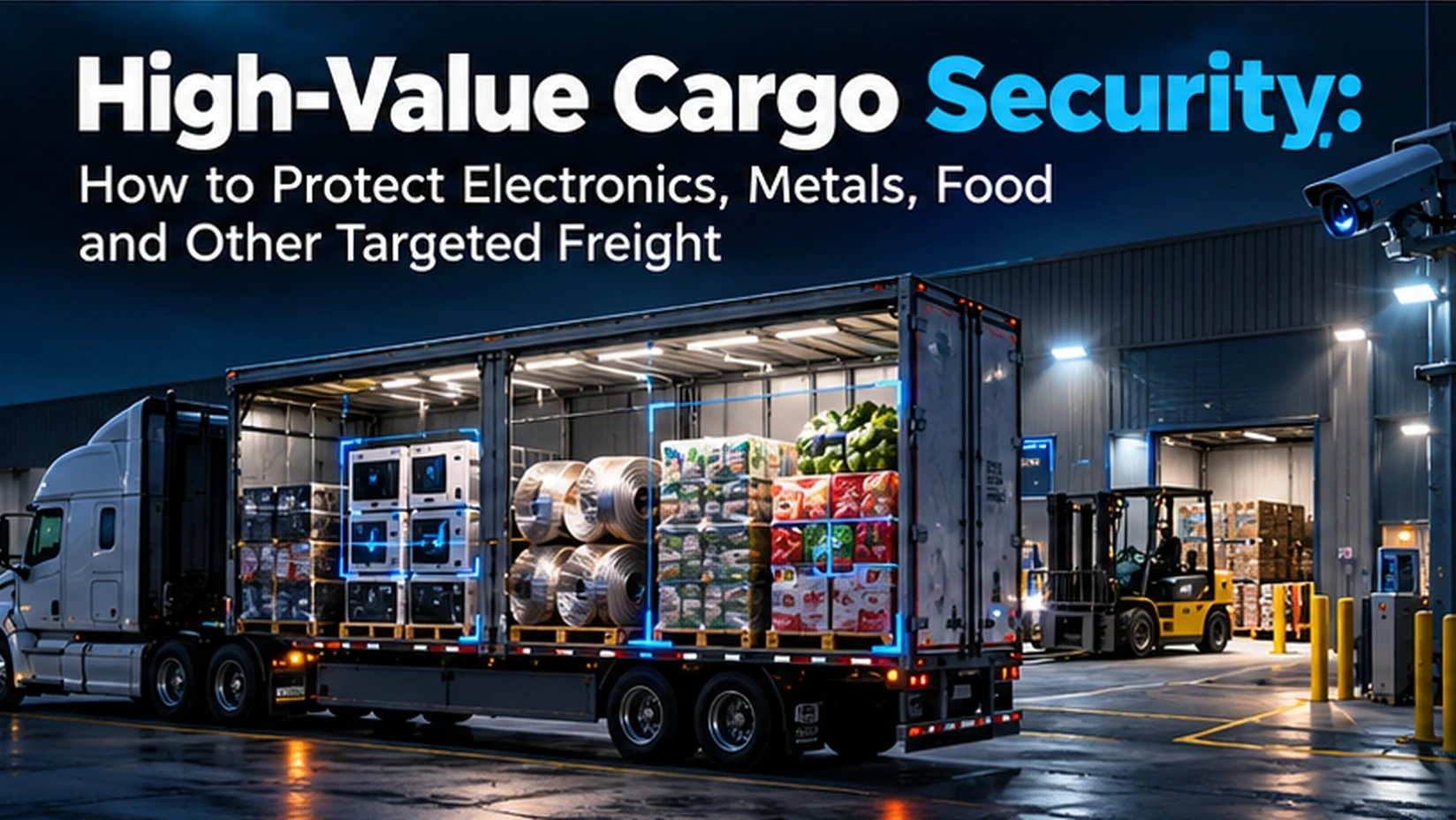
High-value cargo security should therefore be risk-based. Facilities need stronger verification, staging controls, yard visibility, outbound checks, and response procedures for freight that creates an outsized financial or operational loss.
Quick Answer: How Should High-Value Cargo Be Protected?
| Security Layer | High-Value Cargo Control |
|---|---|
| Pre-arrival | Identify high-risk loads and expected carriers before arrival |
| Gate | Verify driver, carrier, truck, trailer, pickup reference, and shipment documentation |
| Staging | Use controlled, visible areas for high-value trailers |
| Yard | Monitor unusual movement and restricted-zone activity |
| Perimeter | Maintain lighting, cameras, clear sightlines, and active response |
| Exit | Use strong outbound authorization and transaction records |
| Exceptions | Escalate substitutions, documentation mismatches, and routing changes |
What Counts as High-Value Cargo?
There is no universal dollar threshold.
“High value” depends on the company, customer, commodity, insurance requirements, availability, and business impact.
Examples may include:
- Enterprise computers and networking equipment
- Consumer electronics
- Specialty metals
- Automotive parts
- Pharmaceuticals
- Food and beverage products
- Appliances
- Luxury goods
- Industrial components
- Freight that would stop production if lost
A shipment does not have to be expensive at retail to be business-critical.
Operational value matters too. A missing component that shuts down a manufacturing line can create losses far beyond the invoice value of the freight itself.
Why Organized Theft Groups Target Specific Commodities
Cargo thieves generally prefer goods that are valuable, easy to move, difficult to trace, or easy to resell.
CargoNet’s 2026 reporting has highlighted high-value metals and enterprise technology products, while holiday analyses continue to show exposure across food and beverage, electronics, household goods, vehicle accessories, and other categories.
Read the CargoNet Q2 2026 trends analysis.
This matters because freight risk changes.
A commodity that was not heavily targeted last year may become more attractive if market prices rise or resale demand changes.
High-value cargo security should use current intelligence, not a static list created years ago.
Security Should Start Before the Truck Arrives
The facility should know when a high-value load is expected.
That does not mean exposing shipment details widely.
It means ensuring the security and operations teams have enough information to apply the correct protocol.
Depending on the load, that may include:
- Expected carrier
- Expected driver or approved driver process
- Truck and trailer information
- Pickup or delivery reference
- Required seal procedure
- Approved pickup window
- Authorized staging location
- Secondary approval requirements
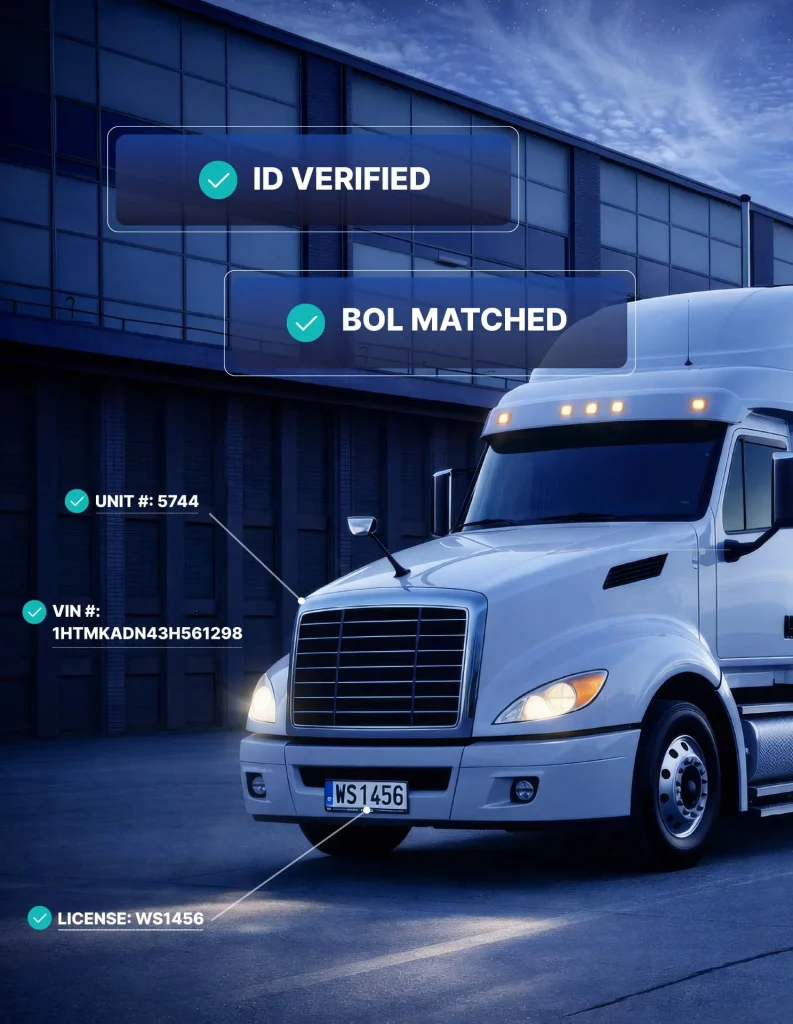
Driver and Carrier Verification Are Critical for High-Value Loads
The FBI identifies strategic cargo theft methods including fictitious pickups, identity theft, account takeovers, double brokering, and fraudulent carriers.
For high-value freight, the financial consequence of a single mistaken release can be severe.
That is why the gate should verify multiple identifiers instead of relying on one pickup number.
Confirm:
- Driver identity
- Carrier identity
- Truck
- Trailer
- Shipment reference
- Appointment
- BOL information
- Seal when required
See Carrier Impersonation at the Gate.
High-Value Trailers Need Smarter Staging
Where a trailer sits can materially affect risk.
High-value equipment should not automatically be placed in the most convenient open space.
Consider:
- Distance from the perimeter
- Camera coverage
- Lighting
- Visibility from controlled areas
- Access routes
- Proximity to public roads
- Whether the trailer can be moved without passing a controlled point
Staging strategy is part of security architecture.
Trailer Movement Should Be Expected, Not Anonymous
Yard movement is normal.
But for high-value freight, it should be possible to distinguish expected movement from unusual movement.
Examples worth reviewing include:
- A high-value trailer moving outside its expected window
- A yard tractor entering a restricted staging area
- Activity around the trailer after hours
- A trailer repositioned without a related operational event
- A loaded trailer approaching an exit unexpectedly
AI-assisted monitoring can help surface these patterns, while trained personnel can verify whether the activity is legitimate.
Perimeter Security Matters More When Cargo Value Is Concentrated
A facility may contain hundreds of trailers, but only a few may contain freight that represents a major financial exposure.
Perimeter security should support those risk concentrations.
Review:
- Fence integrity
- Lighting
- Camera coverage
- Vegetation and sightlines
- Secondary gates
- Trailer proximity to the property boundary
- After-hours access
CISA guidance notes that security lighting can support perimeter monitoring and detection.
A high-value trailer should not sit in a blind spot simply because the rest of the facility appears secure.
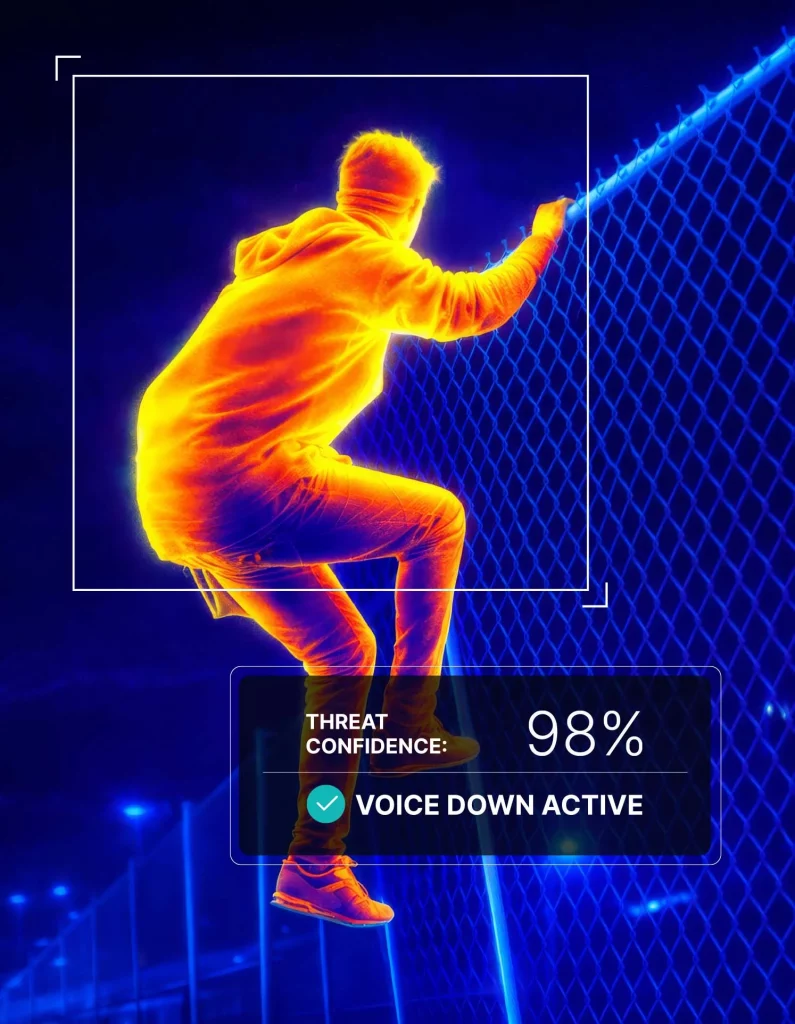
Outbound Verification May Be the Final Opportunity to Stop a Loss
For high-value freight, the exit gate deserves rigorous attention.
Before release, verify:
- Correct driver
- Correct carrier
- Correct tractor
- Correct trailer
- Correct shipment
- Required documentation
- Seal status
- Final authorization
If the driver changed, the carrier changed, the trailer changed, or the pickup instructions changed, stop and resolve the exception.
High-value freight should never leave because someone felt pressured to keep the line moving.
Cybersecurity Is Part of High-Value Cargo Security
Modern cargo theft can begin with compromised digital systems.
The FBI has warned that attackers use phishing, spoofed websites, compromised accounts, and fraudulent load postings to impersonate trusted businesses and redirect shipments.
NMFTA’s 2026 transportation cybersecurity work also highlights identity fraud, account hijacking, and load-board impersonation.
This means physical security teams should be cautious when pickup instructions change through digital channels.
A legitimate-looking email is not the same as an independently verified authorization.
Digital Transaction Records Protect More Than the Gate
When a high-value shipment is questioned, the facility should be able to reconstruct the chain of events quickly.
A useful record may include:
- Driver
- Carrier
- Truck
- Trailer
- Plate
- BOL
- Seal
- Entry time
- Exit time
- Access decision
- Exceptions
- Video
- Operator action
That evidence can support investigations, customer disputes, claims, and internal process review.
Read Gate Transaction Records: Why Paper Logs Are Not Enough.
Create a Tiered Security Protocol
Not every load needs the same level of scrutiny.
A practical approach is to create tiers based on value, commodity risk, customer requirements, and current theft intelligence.
For example:
Standard Freight: Normal verification workflow.
Elevated Risk Freight: Additional trailer, BOL, or seal verification.
High-Value Freight: Enhanced driver verification, controlled staging, additional outbound authorization, and active monitoring.
This keeps security proportional to risk without slowing every transaction equally.
High-Value Cargo Security Metrics
Useful metrics may include:
- High-value loads processed
- Verification completion rate
- Number of substitutions
- High-value gate exceptions
- Average exception resolution time
- After-hours high-value pickups
- High-value trailer dwell time
- Unscheduled movement events
- Outbound verification completion rate
- Incident and near-miss rate
These measures help leadership understand exposure before a major loss occurs.
Do Not Advertise Which Trailer Contains the Most Valuable Freight
Security controls should increase around high-value freight without unnecessarily broadcasting that a specific trailer or staging location is special.
Operational teams should limit shipment details to people who need them. High-value procedures should be consistent enough that enhanced security does not create an obvious visual signal to outsiders.
For example, a controlled staging zone may be used for several classes of sensitive freight rather than one highly conspicuous trailer. Access permissions can be role-based. Customer-specific information can remain inside the transaction system instead of being written on public boards or shared broadly through email.
Protecting information about the freight is part of protecting the freight itself.
Use Dual Control for the Highest-Risk Exceptions
Some transactions justify a second approval.
A high-value load with a last-minute driver substitution, changed destination, missing seal, or unexpected pickup time may warrant review by two independent parties before release.
Dual control does not need to slow ordinary freight. It can be reserved for defined exception conditions.
This approach reduces the chance that one rushed decision creates a major loss and gives security teams a clear response when something falls outside the expected process.
Review Security Requirements With Customers and Insurers
High-value security protocols should also reflect customer contracts, insurer requirements, and claims expectations.
Some customers may require specific seal procedures, documentation, restricted staging, or pickup authorization. Insurers may also have expectations around locks, unattended freight, parking, or security controls.
Operations, security, risk, and customer teams should review those requirements together so the physical process at the facility matches what the organization has promised on paper.
Limit Dwell Time When Possible
Time is an exposure variable. The longer valuable freight remains stationary, the longer the opportunity window for theft, surveillance by criminals, or unauthorized access.
Operations cannot eliminate dwell time completely, but teams can identify unnecessary delays. High-value trailers should not sit for hours because paperwork is incomplete, a dock assignment was missed, or outbound authorization is waiting in someone’s inbox.
Reducing avoidable dwell time is therefore both an efficiency improvement and a security improvement.
Build a High-Value Incident Response Plan
If suspicious activity is detected around a sensitive load, the response should already be defined.
Determine who must be notified, whether the trailer should be held, how video is preserved, which customer contacts are involved, when law enforcement should be contacted, and how the event will be documented.
A high-value security plan is incomplete if it only explains how to detect a problem and not how to respond to one.
Run tabletop exercises periodically so security, operations, transportation, and leadership understand their roles before a real event creates time pressure.
Security teams should also review whether high-value procedures still match current freight patterns. Customer mix, commodity values, routes, carriers, and theft trends change over time. A protocol created two years ago may no longer protect the loads creating the greatest exposure today. Schedule periodic reviews so the highest level of protection follows the highest level of current risk.
How Birdseye Supports High-Value Cargo Security
Birdseye connects gate, yard, and perimeter controls around the freight.
GATECORE supports driver, truck, trailer, document, seal, and access verification.
YARDCORE improves visibility around trailer staging and yard movement.
SAFECORE combines AI-powered perimeter monitoring with trained human verification and intervention.
The Portal helps centralize relevant facility events and transaction records.
High-Value Cargo Security Checklist
- Identify high-risk commodities and loads
- Define enhanced verification thresholds
- Verify driver and carrier independently
- Match truck and trailer information
- Capture BOL and seal information when required
- Use controlled staging areas
- Monitor unusual trailer movement
- Protect fence lines and secondary access points
- Apply strong outbound authorization
- Record every important exception
- Require human review when something does not match
Frequently Asked Questions
What is considered high-value cargo?
High-value cargo can be defined by financial value, resale value, customer requirements, insurance thresholds, scarcity, or the operational impact of losing the shipment.
What types of cargo are commonly targeted?
Targeting changes over time. CargoNet reporting has highlighted categories including technology products, metals, food and beverage, household goods, electronics, vehicle accessories, and other easily resold freight.
How can warehouses protect high-value trailers?
Use stronger gate verification, controlled staging, active yard monitoring, perimeter protection, outbound authorization, and searchable transaction records.
Why is carrier verification important for high-value cargo?
Strategic cargo theft can use fraudulent carriers and impersonation. Independent pickup verification reduces the chance that a convincing fraudulent actor receives the shipment.
Should high-value freight use different security procedures?
Often yes. A risk-based program can apply additional controls to freight with higher financial or operational consequences without slowing every ordinary transaction.
Protect the Freight That Can Hurt the Business Most
Cargo theft is not only about how often something happens.
It is about what one successful theft can cost.
High-value freight deserves security controls that reflect its real financial and operational exposure.