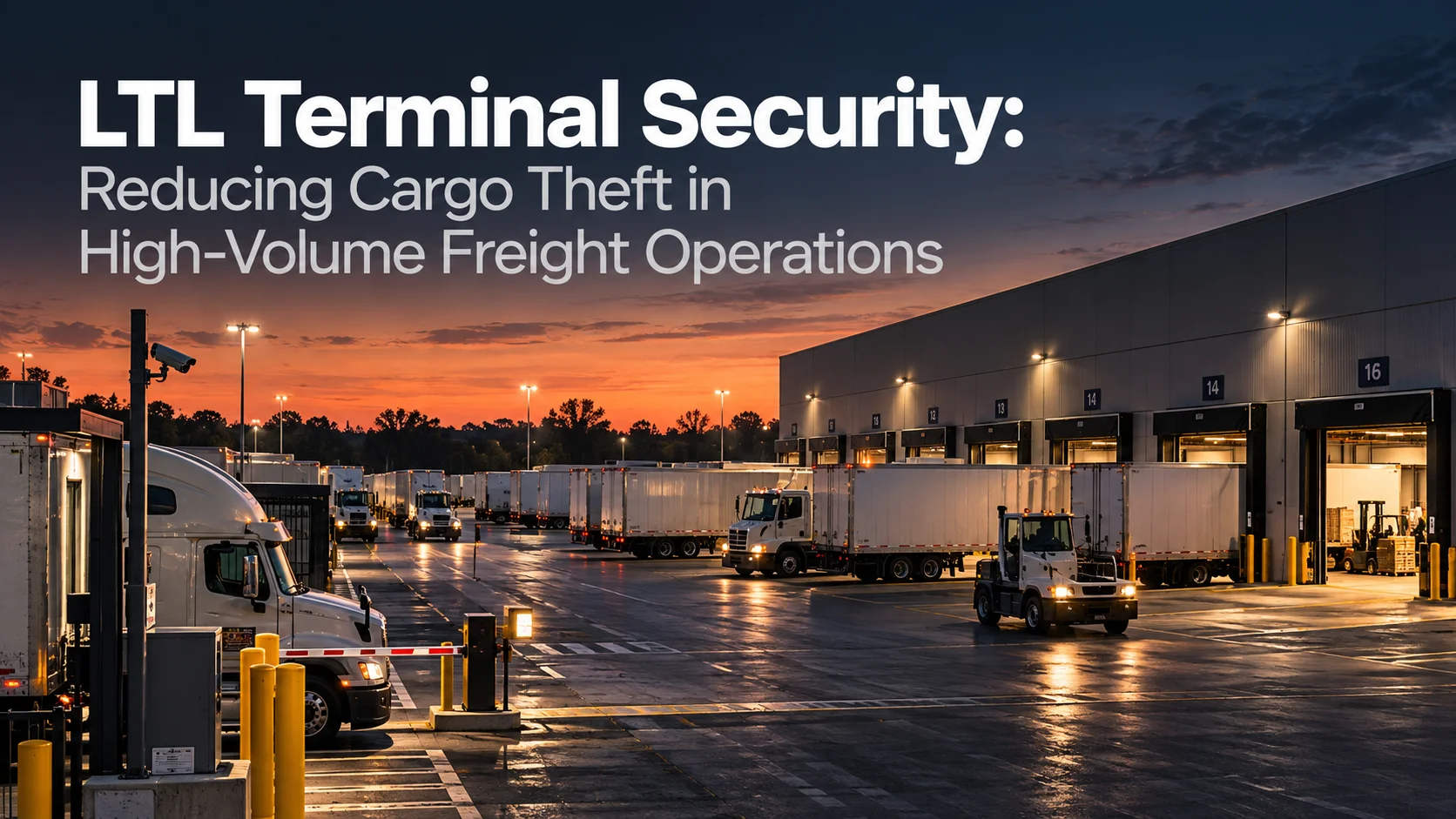
LTL terminals have a security problem that is built into the way they operate.
Freight moves constantly.
Different shipments arrive on the same trailer, move across the dock, transfer between trailers, wait temporarily, and leave again — often within a relatively short period of time.
That speed is what makes less-than-truckload transportation efficient.
It also creates security complexity.
Effective LTL terminal security requires facilities to verify who enters, maintain visibility across yards and transfer points, protect the perimeter, and respond quickly when activity does not match normal operations.
What Is LTL Terminal Security?
LTL terminal security refers to the systems and procedures used to protect freight, vehicles, employees, trailers, yards, docks, and access points at less-than-truckload transportation facilities.
Unlike a traditional warehouse where products may remain stored for longer periods, LTL freight is constantly moving through the network.
That means security has to work without unnecessarily slowing the operation down.
Why Are LTL Terminals Difficult to Secure?
LTL terminals can experience high volumes of:
- Drivers
- Tractors
- Trailers
- Freight transfers
- Dock movements
- Employees
- Contractors
- Inbound and outbound transactions
At the same time, individual trailers may contain freight belonging to many different shippers.
This creates a different security environment from a full truckload operation where one trailer may correspond to one shipment and one destination.
More movement creates more opportunities for mistakes, blind spots, and unauthorized activity.
Cargo Theft Is No Longer Only a Physical Threat
The FBI has warned the transportation and logistics industry that cargo theft increasingly includes strategic and cyber-enabled schemes.
Those methods can involve fraudulent carriers, fictitious pickups, account takeovers, identity theft, phishing, and double brokering.
Read the FBI’s cargo theft guidance.
For LTL operators, this means security needs to account for both physical activity and the legitimacy of the people and vehicles entering the facility.
A gate is not secure simply because it has a barrier arm.
The facility needs confidence in the transaction behind the vehicle.
Gate Verification Needs to Be Fast and Consistent
An LTL terminal cannot create a security process that turns every arrival into a ten-minute investigation.
Volume makes that impractical.
The better approach is to automate routine verification while identifying exceptions that require human attention.
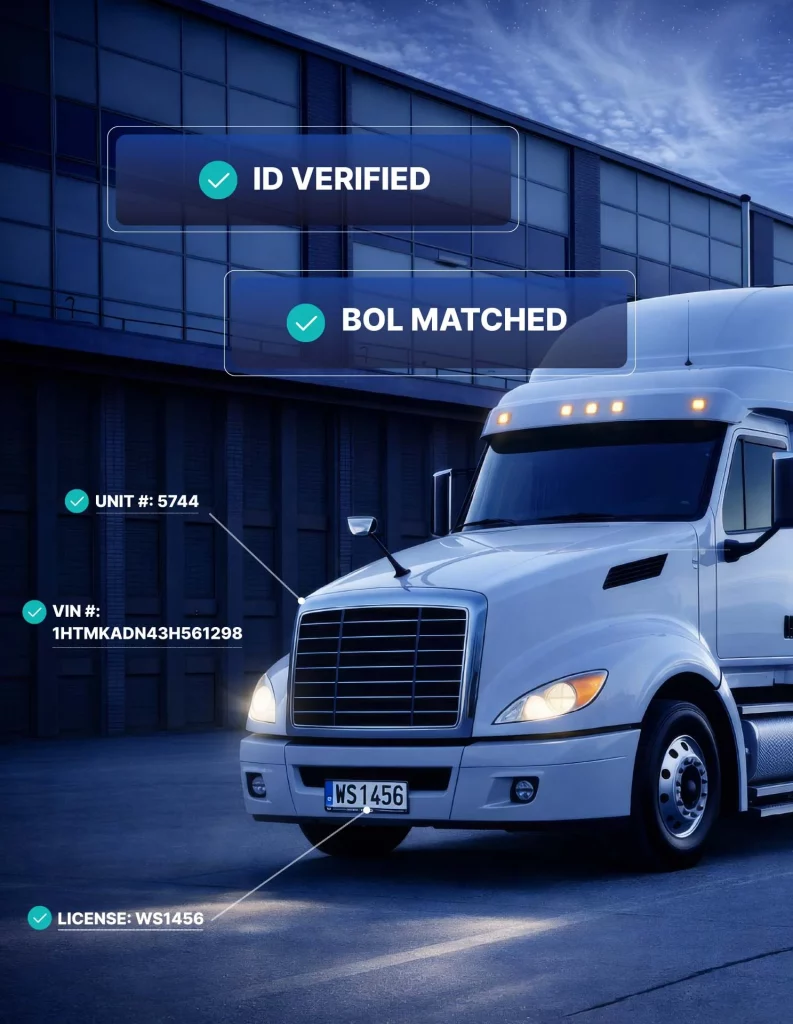
A structured gate process can connect:
- Driver identity
- Carrier or company information
- Tractor number
- Trailer number
- License plate
- Entry or exit status
- Access authorization
- Transaction timestamp
Routine transactions can move efficiently.
When something does not match, the transaction can be held for review.
This allows security to become more precise without making every driver wait for manual processing.
LTL Security Requires Trailer Visibility
Trailers move constantly through LTL networks.
They arrive loaded, depart partially loaded, move between doors, sit temporarily in yards, and may be repositioned multiple times.
That makes trailer visibility particularly important.
Security teams need to understand which trailer entered, where it was expected to go, when it moved, and whether activity around it makes sense.
Unexpected trailer movement should not disappear into the normal activity of a busy terminal.
The Yard Can Become a Security Blind Spot
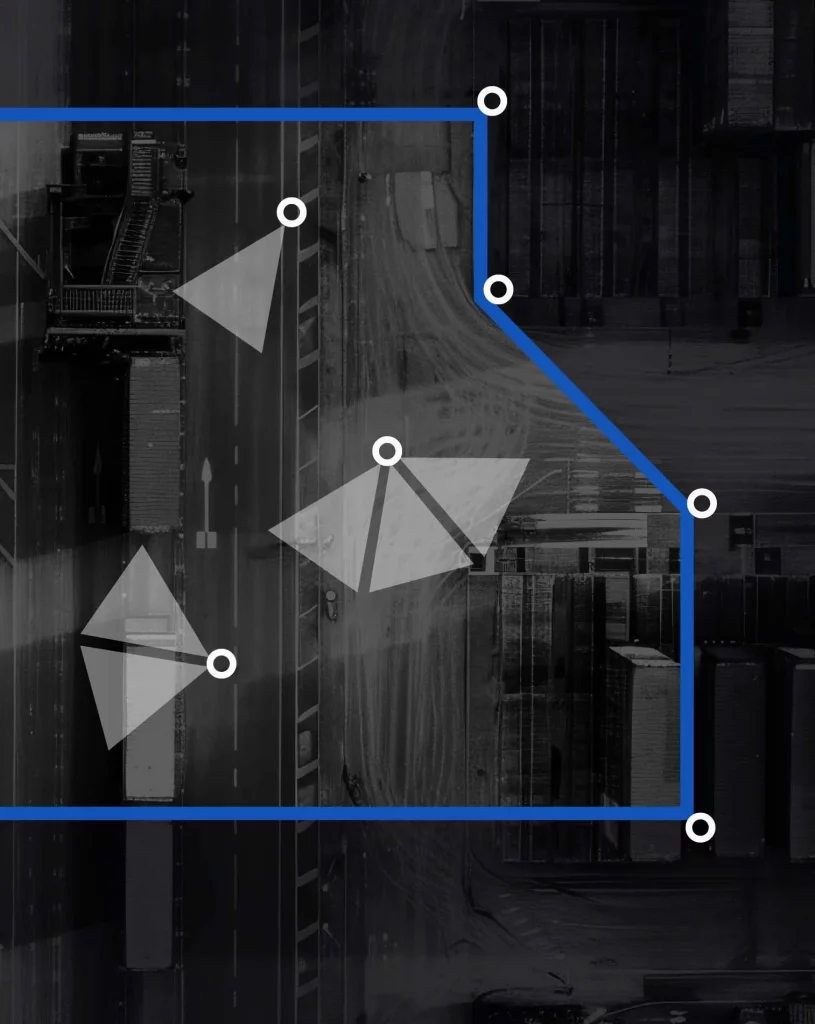
LTL terminals often invest heavily in building access and dock operations while the yard remains harder to supervise.
A large yard may have:
- Rows of trailers.
- Multiple gate lanes.
- Employee vehicles.
- Contractors.
- Yard tractors.
- Drivers waiting for assignments.
- Inbound and outbound equipment.
That amount of normal movement can make abnormal activity difficult to recognize.
AI-assisted monitoring can help identify unusual activity, but alerts still need verification and response.
The goal should not be to generate more notifications.
The goal should be to identify situations that actually need attention.
Cross-Dock Activity Makes Context Important
In an LTL terminal, freight may spend relatively little time in one location.
That makes context extremely important when something goes wrong.
A security team investigating a missing shipment may need to understand:
- Which trailer brought it in?
- When did that trailer arrive?
- Which gate did it use?
- Which trailer was supposed to take the freight out?
- When did that trailer leave?
- Was there unusual activity around either trailer?
- Were there any access exceptions?
- Can the relevant video be found quickly?
The faster these events can be connected, the faster the facility can understand what actually happened.
Perimeter Security Matters Most When Freight Is Waiting
Not every trailer moves immediately.
Loaded equipment may remain in a yard between transfers, departures, or driver availability.
The FBI notes that cargo theft can occur from trucks, trailers, warehouses, freight distribution facilities, and other points throughout the logistics network.
This makes the terminal perimeter another important layer of protection.
Facilities should be able to detect suspicious activity near fences, gates, trailer rows, and restricted zones — particularly after hours.
But detection is only the first step.
Someone needs to determine whether the event is a real threat and take action when necessary.

Paper Logs Do Not Match the Speed of LTL Operations
A handwritten gate log may record that a truck entered.
That is very different from having a searchable transaction record connecting the driver, tractor, trailer, gate, timestamp, authorization, and related video.
When hundreds of movements occur every day, paper records become difficult to use for:
- Investigations
- Customer claims
- Trailer searches
- Access disputes
- Security reviews
- Performance analysis
Digital transaction records make it easier to reconstruct activity without searching through binders, spreadsheets, emails, and unrelated camera systems.
How Birdseye Supports LTL Terminal Security
Birdseye combines automation with trained human oversight across the facility.
GATECORE supports fast, documented gate transactions and verification.
YARDCORE adds visibility across trailer yards and operational areas.
SAFECORE helps protect the perimeter through AI-powered detection, human verification, and live intervention.
The Portal connects important events and records for easier review.
Routine activity can stay automated while trained agents step in when a situation requires judgment.
What Should LTL Operators Prioritize?
An effective LTL terminal security strategy should improve security without creating operational friction.
That means:
- Verify routine gate activity automatically.
- Escalate exceptions instead of slowing every transaction.
- Maintain visibility over trailer movement.
- Monitor high-risk yard and perimeter areas.
- Connect relevant security events with searchable records.
- Make sure real threats can trigger real intervention.
For LTL terminals, the best security system is not the one that creates the most alerts. It is the one that can keep up with the operation.
Frequently Asked Questions About LTL Terminal Security
Why are LTL terminals vulnerable to cargo theft?
LTL terminals handle high volumes of trailers, drivers, freight transfers, and dock activity. That movement can make suspicious behavior harder to distinguish from normal operations if security systems are disconnected.
How can LTL carriers improve gate security?
Carriers can automate driver and vehicle verification, maintain digital gate transaction records, identify exceptions, and use trained personnel to resolve transactions that require additional review.
Why is yard surveillance important for LTL terminals?
Loaded trailers may remain in yards between transfers or departures. Yard monitoring helps identify suspicious activity, unexpected trailer movement, restricted-area access, and perimeter threats.
Can AI replace security guards at an LTL terminal?
AI can automate many repetitive monitoring and verification tasks, but complex exceptions still benefit from human judgment. A combined AI and human model allows routine activity to stay automated while trained agents handle unusual situations.